Hey there! As a supplier of vertical machining centers, I know how crucial it is for these machines to be accurate. In this blog, I’m gonna share with you some tips on how to calibrate the accuracy of a vertical machining center. Vertical Machining Center
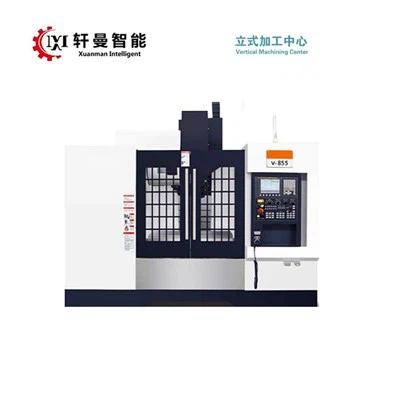
Why Calibration Matters
First off, let’s talk about why calibration is so important. A vertical machining center is a precision tool. If it’s not calibrated correctly, the parts it produces won’t meet the required specifications. This can lead to a whole bunch of problems, like poor product quality, increased waste, and even machine breakdowns. So, regular calibration is essential to keep your machining center running smoothly and producing high – quality parts.
Pre – Calibration Checks
Before you start the calibration process, there are a few things you need to do. First, give the machine a good clean. Remove any chips, dust, or debris that might be on the table, spindle, or other components. This will ensure that there are no external factors affecting the calibration results.
Next, inspect all the moving parts. Check for any signs of wear and tear, like loose belts or bearings. If you find any issues, it’s best to fix them before you start calibrating. Otherwise, you might get inaccurate results, and the calibration won’t last very long.
Calibrating the Linear Axes
The linear axes of a vertical machining center are the X, Y, and Z axes. These are responsible for moving the cutting tool to the right position on the workpiece. To calibrate the linear axes, you’ll need a laser interferometer.
- Set up the laser interferometer: Follow the manufacturer’s instructions to set up the laser interferometer on the machining center. Make sure it’s properly aligned with the axis you’re going to calibrate.
- Measure the axis movement: Move the axis through its entire range of motion. The laser interferometer will measure the actual distance traveled by the axis and compare it to the programmed distance.
- Adjust the axis compensation: Based on the measurements from the laser interferometer, you can adjust the axis compensation values in the machine’s control system. This will correct any errors in the axis movement and improve the accuracy of the machining center.
Spindle Calibration
The spindle is another critical component of a vertical machining center. It holds the cutting tool and rotates it at high speeds. To ensure accurate machining, the spindle needs to be calibrated regularly.
- Check the spindle runout: Use a dial indicator to check the spindle runout. Mount the dial indicator on the machine table and touch the spindle nose with the indicator’s probe. Rotate the spindle slowly and note the maximum and minimum readings. The difference between these readings is the spindle runout. Ideally, the runout should be within the manufacturer’s specified tolerance.
- Balance the spindle: If the spindle runout is too high, it might be due to an imbalance. You can use a spindle balancer to balance the spindle. This involves adding or removing small weights to the spindle to even out the mass distribution.
- Verify the spindle speed: Use a tachometer to verify the spindle speed. Compare the actual speed with the programmed speed. If there’s a significant difference, you may need to adjust the spindle drive settings.
Tool Length and Diameter Calibration
Accurate tool length and diameter measurements are essential for precise machining. Here’s how you can calibrate them:
- Tool length calibration: Use a tool setter to measure the length of each tool. The tool setter will touch the tool tip and send a signal to the machine’s control system, which will then record the tool length. Make sure to measure the tool length in the same position every time to ensure consistency.
- Tool diameter calibration: For tool diameter calibration, you can use a tool presetter. The tool presetter will measure the diameter of the tool and display the result on a screen. Enter this value into the machine’s control system to ensure accurate machining.
Calibration Frequency
How often should you calibrate your vertical machining center? Well, it depends on several factors, such as the frequency of use, the type of work being done, and the environment in which the machine operates. As a general rule of thumb, it’s a good idea to calibrate the machine at least once a year. However, if you’re using the machine intensively or doing high – precision work, you might want to calibrate it more frequently, like every six months or even quarterly.
Post – Calibration Testing
After you’ve completed the calibration process, it’s important to test the machining center to make sure it’s working accurately. You can do this by machining a test part. The test part should have some features with known dimensions and tolerances. Measure the test part using precision measuring tools, like a micrometer or a caliper. Compare the measured dimensions with the designed dimensions. If the differences are within the acceptable tolerance range, then the calibration was successful.
Conclusion
Calibrating the accuracy of a vertical machining center is a process that requires attention to detail and the right tools. By following the steps I’ve outlined in this blog, you can ensure that your machining center is producing high – quality parts consistently.
Flat Bed CNC Lathe If you’re in the market for a vertical machining center or need more advice on calibration and maintenance, don’t hesitate to reach out to us. We’re here to help you get the most out of your machining equipment. Contact us to discuss your procurement needs and let’s find the perfect solution for your business.
References
- "Machining Technology Handbook"
- "Precision Machine Tool Calibration Guide"
- Manufacturer’s manuals of vertical machining centers and calibration equipment
Jiangsu Xuanman Intelligent Equipment Co., Ltd.
We’re well-known as one of the leading vertical machining center manufacturers in China, featured by quality products and low price. Please rest assured to buy discount vertical machining center made in China here from our factory. We also accept customized orders.
Address: No. 1-1, Weier Road, Jieji Equipment Manufacturing Industrial Park, Sihong County, Suqian City, Jiangsu Province, China
E-mail: jsxmzn@163.com
WebSite: https://www.xm-cnc.com/
