Hey guys, let’s talk insulating glass accessories—specifically the stuff that’s not the double-pane glass itself, but the tiny (yet super important) parts that keep your windows and doors airtight, energy efficient, and long-lasting. You know what I mean: the spacers, desiccants, sealants, split spacers, foam tapes, and those little corner keys that hold everything together. I’ve been in this game as an insulating glass accessory supplier for like 7 years now, and let me tell you, most people don’t notice these parts are dying until their energy bills skyrocket or their windows start fogging up like a bathroom mirror after a hot shower. Today I’m breaking down the real, obvious (and not-so-obvious) signs that it’s time to replace these accessories—not just the whole window. Let’s dive in. Other Insulating Glass Accessories

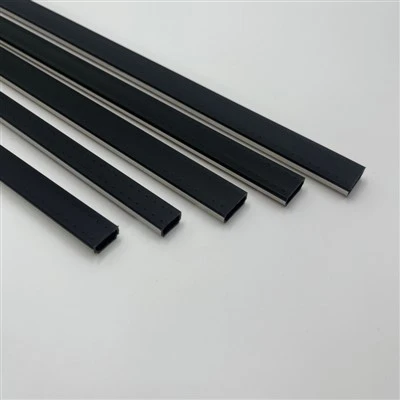
First off, let’s get one thing straight: insulating glass (IG) units only work as well as their weakest link. And 9 times out of 10, that link is one of the other accessories. Let’s start with the most common red flag: internal fogging or condensation between the two glass panes. I can’t tell you how many customers come to me thinking their glass is cracked or dirty inside, but nope—90% of the time, it’s a spacer or desiccant that’s shot. Wait, what do those even do? The spacer is the thin, metal or plastic strip that sits between the two panes, creating the air gap, and it’s filled with desiccant (that little bead stuff) that sucks out moisture to keep the gap dry. If the desiccant gets saturated, or the spacer develops a tiny leak, moisture seeps into that gap and sticks to the glass. You’ll see it as fog that won’t go away, even if you wipe the glass on both sides. Sometimes it starts as a little patch in one corner, then spreads to the whole window. A lot of people wait too long to fix this, and the moisture can actually corrode the spacer over time, making the leak worse. As an IG accessory supplier, I see this all the time—usually the spacer or desiccant is the culprit here, not the glass itself.
Next up, weird drafty windows or doors, even when they’re closed tight. If you feel cold air seeping in during winter or hot air creeping in during summer, that’s not just “bad window insulation”—that’s your seal and adjacent accessories failing. The primary and secondary sealants (the rubber or butyl stuff that seals the edges of the IG unit) and the split spacers (those flexible strips that fill gaps in the spacer system) are what keep air from moving in or out. If those start to crack, peel, or shrink, air gets through, and your HVAC has to work way harder to keep your space at the right temperature. I had a customer last year who thought his old windows were just “inefficient” and was about to replace all of them, until I showed him his split spacers were brittle and his primary seal had shrunk by almost a quarter-inch. We swapped out those accessories, and his heating bill dropped 18% that winter. That’s the kind of win we’re all about—no need to replace the whole window, just the parts holding it together.
Speaking of moisture and corrosion, another big sign is visible discoloration or rust along the edges of your glass. If you see a brown, gray, or black line running along the entire perimeter of the IG unit, that’s almost always the spacer corroding. Most spacers used to be aluminum, but these days we have stainless steel and plastic ones that resist rust, but even the good stuff can go bad if the desiccant stops working or the seal leaks. When the spacer rusts, it expands a little, which can crack the seal even more, creating a vicious cycle. Sometimes you’ll also notice that the corner keys—those little plastic or metal pieces that hold the spacer at the corners of the IG unit—are cracked or peeling. Those tiny parts get overlooked all the time, but if they break, the whole spacer structure shifts, creating gaps for air and moisture to get in. Last month I got a call from a homeowner who thought his window was just old and foggy, but when I looked at it, the corner keys had completely broken off, so the two panes weren’t even aligned right. Swapping those keys and the spacer fixed the fog in an hour, no full window replacement needed.
Another underrated sign: unusual squeaking or rattling when you open or close your window or door. That’s not just your window hardware—those noises often come from the IG unit’s internal accessories shifting or wearing out. The foam tapes that line the edges of the IG unit (to cushion it in the frame and add an extra air barrier) can dry out, shrink, or get compressed over time, so the glass starts moving around in the frame. That movement causes rattling, and over time, it can damage the seal between the glass and the frame. I had a commercial customer (a small office building) who was dealing with rattling that was so bad, employees in the front office could hear it down the hall. We went in and checked their foam tapes and gasket seal accessories—turns out the foam had shrunk to half its original thickness, so the IG unit was shifting every time the wind blew. Replacing those foam tapes and gaskets stopped the rattling completely, and their energy bills dropped too because the gap between the window and frame was sealed back up.
Wait, what about windows that feel “sticky” or hard to open and close? A lot of people blame the window hinges or tracks, but again—check the IG accessories first. If the seal around the IG unit is failing, that can cause the frame to warp slightly, making the window stick. Or the split spacers could be misaligned, putting pressure on one side of the glass, making it hard to move. I had a residential customer a few months back who could barely open his front bedroom window, and he thought he needed new window tracks. Turns out the primary seal on the IG unit had cracked, so air was getting into the frame and causing the wood to warp around the window. We replaced the sealant and re-adjusted the split spacers, and the window slid open like new, no track replacement needed.
Now, let’s talk about when you should really panic (but not panic, just call someone like me). If you notice any combination of these signs—fog that won’t go away, drafts, rust along the edges, rattling, or sticky windows—don’t wait until the whole IG unit fails. I see customers waiting too long, and by the time they replace the accessories, the glass might already be damaged from moisture, which means they have to replace the whole unit instead of just the $20 worth of spacers or desiccant. That’s a waste of money, let’s be real.
Wait, let’s clear up a common misconception: not all IG accessory issues are visible. Sometimes the problems are internal, like the desiccant being saturated even if you don’t see fog. How can you tell that? If your energy bills go up 10% or more in a year, even if you haven’t changed your thermostat habits or added people to your space, that’s a sign. The desiccant’s job is to keep the air gap dry, so if it’s saturated, the IG unit isn’t insulating properly, leading to more energy use. A lot of times, that happens gradually, so people don’t notice until they get their utility bill. That’s another big one—rising energy costs with no obvious cause could be your IG accessories failing.
Let’s also touch on different accessory types, because not all parts wear out the same way. Spacers: aluminum spacers last about 15-20 years on average, but stainless steel and foam spacers can last 25+ if they’re installed right. Desiccants: they’re good for the life of the IG unit… until the seal leaks, which lets moisture in and makes the desiccant go bad. Sealants: primary sealants (the inner one, usually butyl) last 10-15 years, secondary sealants (the outer one, often silicone) last 15-20, but they can crack if exposed to extreme temperatures or UV light. Split spacers: these flexible strips can go brittle in cold weather or get compressed in hot, so they often need replacing every 10 years or so, especially in areas with harsh climates. Corner keys: those little guys usually last as long as the spacer, but if you have a window that gets a lot of use (like a casement window that opens and closes daily), they can break faster.
I also want to mention installation quality, because that affects how long these accessories last. A lot of DIY installers or even some bad contractors will skimp on accessories—using the wrong type of sealant, cutting corners on the spacer, or not putting enough desiccant in the unit. That’s why you might get a window that fails in 5 years, instead of 20. When you replace these accessories, make sure you get the right type for your climate—like foam spacers if you’re in a super cold area, or stainless steel spacers if you’re near salt water (like coastal areas, where aluminum rusts way faster).
Now, let’s make this practical. If you’re noticing any of these signs: internal fog, drafts, rust along glass edges, rattling windows, sticky operation, or unexplained higher energy bills—don’t ignore it. A lot of people think replacing the whole window is the only solution, but 80% of the time, it’s just a few parts that need swapping. As an insulating glass accessories supplier, I work with homeowners, contractors, and building managers to get exactly the parts they need, no matter the size of the job—whether you’re fixing one residential window or an entire commercial building’s IG units. We carry all the other accessories: spacers, desiccants, sealants, split spacers, foam tapes, corner keys, gaskets—everything you need to get your IG units back to working like new, without breaking the bank.
Wait, let’s wrap this up real. The key takeaway here is that insulating glass accessories are the unsung heroes of your windows and doors. They don’t get the same attention as the glass itself, but their condition is what determines how energy efficient, long-lasting, and functional your IG units are. Next time you notice something off with your windows—don’t just reach for your phone to order a whole new window. Take a minute to check the signs I mentioned: look for fog along the edges, feel for drafts, listen for rattling, check for rust. If any of those are there, chances are you just need to replace those tiny, easy-to-fix accessories. If you’re not sure what parts you need, or you want to get the right ones for your climate and your IG units, hit us up for a chat. We can help you diagnose the problem, pick the right accessories, and make sure the fix is quick and affordable. No need to waste money on full window replacements when the fix is way simpler.
Molecular Sieve References:
- Insulating Glass Unit Performance and Failure Analysis. National Glass Association, 2021.
- Energy Efficiency of Window Accessories: Spacers and Sealants. Department of Energy Building Technologies Office, 2022.
- IG Accessory Lifespan and Maintenance Guidelines. International Window Coverings Manufacturers Association, 2023.
- Condensation Between Glass Panes: Root Causes and Solutions. Glass Magazine, 2022.
- Commercial Insulating Glass Unit Repair and Retrofit Best Practices. Building Owners and Managers Association, 2021.
Renqiu City Xinjian Metal Products Co., Ltd.
Renqiu City Xinjian Metal Products Co., Ltd. is one of the most professional insulating glass accessories manufacturers and suppliers in China. With abundant experience, we warmly welcome you to wholesale customized insulating glass accessories from our factory. If you have any enquiry about free sample, please feel free to email us.
Address: Caicun Dajie Village, Changfeng Town, Renqiu City, Hebei Province China
E-mail: melody@xinjianmetal.com
WebSite: https://www.xjglassspacer.com/
