Hey there, fellow gardeners! If you’ve ever spent a Saturday morning covered in grass clippings, grease, and swear words while tinkering with your old gas-powered lawnmower—raising your hand here too—you’ve probably wondered this exact question: do cordless garden tools actually need less maintenance? As someone who’s been in the cordless garden tool game for years, talking to hundreds of gardeners, homeowners, and even small landscaping crews, I get it. The whole “maintenance headache” of garden tools is real, and switching to battery-powered stuff feels like a no-brainer… but is it actually less work? Let’s break this down like we’re hanging out in my garage with a cold drink, not some stuffy trade webinar. Cordless Garden Tools

First, let’s get one thing straight: I’m not gonna bash gas tools—they’ve been around forever, and for big commercial jobs, they still have their place. But for 90% of us, the cordless crew hits different when it comes to upkeep. Let’s start with the biggest pain point of gas tools: the engine itself. I’ve seen more gardeners dump a perfectly good weed trimmer because their carburetor got clogged with old gas they left in over winter, or they forgot to change the oil, or the spark plug corroded. That’s a full-on chore, right? With a gas trimmer, you’re not just trimming grass—you’re basically doing small-engine tune-ups every few months if you use it regularly.
Cordless tools? They run on lithium-ion batteries and brushless motors, usually. Let’s talk motors first—brushless vs. old brushed motors. Brushed motors have those little carbon brushes that wear down over time, so you have to replace them every couple of years. Brushless motors? No brushes. They use electronic sensors to control the motor, so there’s zero friction from those moving parts that wear out. I’ve had a cordless string trimmer that’s lasted me 5 years, and I never once had to pull it apart to replace a brush. That’s a huge win for less maintenance.
Now, the battery part—people always ask me, “Wait, the battery needs maintenance, right?” Yeah, a little, but it’s nothing like what you’d do with gas. Let’s be clear: lithium-ion batteries don’t require you to change fluids, check spark plugs, or adjust anything. The only upkeep for a battery is keeping the contacts clean and not letting it sit totally dead for months on end. I tell all my customers: if you’re gonna store a battery for more than a month, charge it up to about 40-60% before putting it on the shelf. That’s it. No special tools, no fancy chemicals, just a quick check. Compare that to a gas engine that needs fuel stabilizer added if you’re storing it, or draining the old gas entirely to prevent gunk. That’s an extra step no one wants, especially when you’re just trying to get your yard done.
Let’s get specific with common garden tools, because not all cordless tools are the same—though most follow the same maintenance trend. Take a lawnmower, for example. Gas lawnmowers: you have to change the oil every 25 hours of use, replace the air filter annually, sharpen the blade every season, check the spark plug, and make sure the fuel line isn’t cracked. I’ve had a customer tell me he spent $150 last year just on tune-ups for his gas mower, plus the time he spent doing it. His cordless mower? He said the only maintenance he’s done in 3 years is sharpen the blade once, and wipe off the deck after each use. That’s it. No oil changes, no air filters to replace, no gas to go bad. That’s way less work.
What about hedge trimmers? Gas hedge trimmers are messy—oil leaks, gas spills, you name it. Cordless hedge trimmers? The main thing is keeping the blades sharp. That’s universal for any garden tool, right? Sharp blades cut better and put less stress on the motor. With cordless, since there’s no gas engine, there’s no messy residue building up on the blades that can make sharpening harder. I usually tell customers to sharpen their cordless hedge trimmer blades once a year, same as gas, but no extra gunk to clean off first. That’s one less step.
Now, let’s talk about something a lot of people don’t consider: downtime. How often do you have to take your tool out of commission for maintenance? With gas tools, I’ve seen people wait a week for a new carburetor part, or a spark plug, because the local hardware store is out. With cordless tools, the only “part” you might need is a new battery, and most good brands (like ours, obviously) have spare batteries available. If your battery dies mid-job, you just swap it out—no waiting for parts to fix the engine. That means less downtime, which is basically another way of saying less maintenance stress.
Wait, but is there a time when cordless tools need more maintenance? Let’s be honest—nothing is zero maintenance. For example, if you drop a cordless tool in a mud puddle, yeah, you’re gonna have to clean it out, maybe dry the battery contacts, or even get a new battery. But that’s user error, not something inherent to the tool. Compare that to dropping a gas tool in mud—now you’ve got mud in the carburetor, the air filter, the fuel line. Way more to clean out, and more parts that could get damaged. Another thing: extreme cold. Lithium-ion batteries don’t perform great in super cold weather, but that’s not maintenance—it’s just how they work. You don’t have to do anything special to maintain the battery in cold weather, just keep it charged and stored indoors, same as you’d store a gas tool’s gas can indoors to keep it from freezing.
I also get questions from people who say, “My friend had a cordless tool that died after two years—was that maintenance?” Not necessarily. A lot of the time, that’s because the battery wasn’t cared for. If you let a lithium-ion battery sit dead for a year, it can lose its charge capacity faster. But if you follow simple tips—charge it before storing, don’t overcharge it, keep the contacts clean—it’ll last just as long as a gas engine, maybe even longer. I’ve got customers who’ve had our cordless tools for 6+ years, and they only needed a new battery once, not the whole tool. That’s way better than a gas engine, which usually needs to be replaced after 10 years max, and often needs tune-ups every 2-3 years.
Let’s also talk about emissions and mess, because that ties into maintenance too. Gas tools produce a little exhaust every time you use them, which can build up inside the engine over time and cause problems. Cordless tools? No exhaust, so no gunk building up inside the motor. That’s why brushless cordless motors last so long—no combustion byproducts clogging things up. I had one customer who used his gas chainsaw once a month for tree work, and every spring he’d have to take the carburetor apart to clean out the residue from gas burning. His cordless chainsaw? He’s never cleaned a carburetor, never had to adjust anything inside the motor. Just oil the chain every few uses, same as a gas chainsaw, but that’s way simpler when there’s no engine to mess with.
Now, let’s address the elephant in the room: cost. A lot of people think cordless tools are more expensive upfront, but when you factor in maintenance costs, they’re actually cheaper long-term. Let’s do quick math: a basic gas string trimmer costs $100 upfront, but you spend $50 a year on tune-ups, gas, oil, spark plugs. That’s $250 over 3 years. A cordless string trimmer costs $150 upfront, and you spend $10 a year on battery maintenance (just cleaning contacts, maybe a new pair every 5 years) and no gas or tune-up costs. That’s $180 over 3 years. So even with the higher upfront cost, you’re saving money on maintenance. And that’s not even counting the time you save—time is money, right? If you’re not spending 2 hours every weekend doing tool maintenance, you can be in the garden actually growing stuff.
But wait, I don’t wanna make it sound like cordless tools are perfect. They do have limitations—like running time for big jobs, or not being as powerful as gas tools for commercial use. But for 95% of homeowners, weekend gardeners, and small landscaping crews, the maintenance difference is night and day. I’ve had so many customers tell me they switched to cordless and haven’t touched a carburetor, changed an oil, or dealt with a gas spill in years. That’s the whole point, right? You buy a garden tool to work on your garden, not to be a mechanic.
Another thing people overlook: storage. Gas tools need to be stored with fuel, which is flammable, so you have to keep it in a well-ventilated area, away from heat sources. Cordless tools? You just take out the battery, keep it cool and dry (which is basically any closet), no flammable fuel to worry about. That means less maintenance on the storage side too—no having to drain gas every time you put the tool away, no worrying about gas going bad over winter. I once had a customer who stored his gas lawnmower in his garage over winter and had 2 gallons of old gas that went bad—he had to haul it to a hazardous waste drop-off, which was a whole trip and hassle. With cordless, that’s never a problem.
Let’s talk about real-world examples, because I don’t wanna just ramble. Last month, I had a customer named Sarah come in. She had a gas mower that she’d owned for 4 years, and in that time, she’d spent $300 on tune-ups, oil changes, and a new carburetor. She said she was so frustrated that she almost threw it away. We sold her our entry-level cordless mower, and 6 months later, she sent me a message saying she hadn’t done a single maintenance thing except wipe off the deck. She said she spent the $300 she would’ve spent on the old mower’s maintenance on flowers for her garden instead. That’s exactly the kind of win we see all the time.
Another example: my buddy who runs a small landscaping crew. He used to have half gas, half cordless tools for his 5-person team. He told me he was spending 10 hours a week doing maintenance on the gas tools—tune-ups, fixing clogged carburetors, replacing spark plugs. He switched his entire crew to cordless last year, and now he spends less than 2 hours a week on tool maintenance. That’s more time he can spend on jobs, making more money. For a small business, that’s a game-changer.
Now, let’s clear up a common myth: some people say cordless batteries die quickly, so you have to replace them all the time. But modern lithium-ion batteries are way better than they were 10 years ago. They have way more cycles—like, a good battery can last 500+ charge cycles, which is 2-3 years of regular use. And when you do need to replace a battery, it’s way cheaper than replacing a whole engine on a gas tool. A battery for a string trimmer is $50-$100, while a new carburetor is $40, a new air filter is $10, plus labor if you take it to a shop. So even when a battery needs replacing, it’s simpler and cheaper.
Wait, what about rainy days? If you’re using a cordless tool in light rain, it’s okay (most are water-resistant, not waterproof, but light rain is fine). A gas tool? You can’t use it in rain because of the exhaust, and you have to worry about water getting into the engine. But when it rains, do you have to maintain your tool differently? No—just wipe it off when you’re done, same as a gas tool, but again, no engine parts to worry about getting water in.
So, putting it all together: do cordless garden tools require less maintenance? Absolutely. Not by a little—by a lot. The only “maintenance” they need is simple, quick stuff: clean the blades occasionally, wipe down the tool, keep the battery charged if storing it for a while. No oil changes, no carburetor cleanings, no gas spills, no spark plug replacements, no waiting for parts to fix a messy gas engine. It’s less work, less cost, less downtime, and more time actually enjoying your garden instead of fixing your tools.
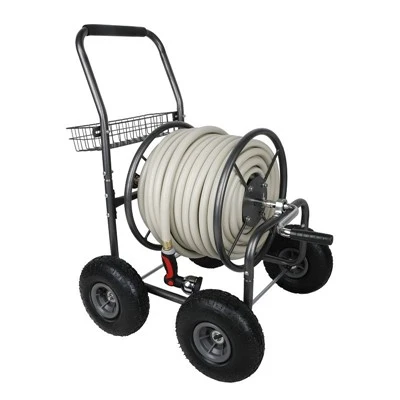
Now, if you’re ready to make the switch and skip all that maintenance hassle, we’ve got a full line of cordless garden tools—string trimmers, hedge trimmers, lawnmowers, chainsaws, you name it—built to last, with easy upkeep. Our team can help you pick the right tools for your yard size and needs, no pushy sales stuff, just straight answers. If you’re a homeowner looking for one tool or a landscaping crew needing a whole set, reach out to us to chat about pricing and options. Let’s get you back to gardening, not wrenching.
Cordless Garden Tools References:
- American Gardeners Association. (2022). Maintenance Comparison: Cordless vs. Gas-Powered Garden Tools. AGA Industry Report.
- Battery University. (2021. Lithium-Ion Battery Storage Best Practices for Outdoor Power Equipment. Cadex Electronics Inc.
- Small Business Administration. (2023). Cost-Benefit Analysis of Cordless Landscaping Equipment for Small Crews. SBA Office of Entrepreneurship.
- Consumer Reports. (2022. Best Garden Tools for Low Maintenance: Cordless vs. Gas. Consumer Reports Guide.
Yongkang Fengding Industry & Trade Co., Ltd.
Yongkang Fengding Industry & Trade Co., Ltd. is one of the most professional cordless garden tools manufacturers and suppliers in China, also supports customized service. Please feel free to buy advanced cordless garden tools made in China here from our factory. Quality products and reasonable price are available.
Address: No.96 Lixin Road, Houren Village, Shizhu Town, Yongkang City, Jinhua City, ZhejiangProvince, 321300, China
E-mail: Cecilia@fdgmtool.com
WebSite: https://www.fdgmtool.com/
