When I first started working as a handheld vacuum cleaner supplier, I used to field the same question constantly: “What’s the real difference between a handheld and an upright vacuum cleaner?” It’s not a trivial query—for homeowners choosing their first vacuum, for renters navigating small apartment spaces, or even for office managers updating cleaning equipment, this distinction makes all the difference in how effectively and comfortably they can maintain their spaces. A year into my role, I still get that question at least twice a week, so I’ve learned to break it down not just as a product difference, but as a difference in how people use their cleaners day to day. Handheld Vacuum Cleaner
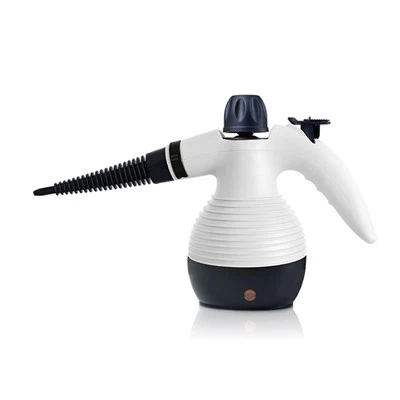
Let’s start with the basics: design, because that’s the most immediate split between the two. Upright vacuum cleaners are bulky, floor-based machines—think the classic canister-less cylinder shape that sits vertically on its own, with a long handle and a wide, rigid head. Handhelds, on the other hand, are compact, portable units that you hold in one or two hands, with a smaller cleaning head and a built-in power source (either corded or cordless). But design isn’t just about size; it’s about functionality that shapes their intended uses. Uprights are built for big, open floor spaces—carpeted living rooms, hallways, large bedrooms. Their wide heads cover more ground in fewer passes, and their motors are typically more powerful for deep cleaning thick carpet fibers. Handhelds? They’re built for the hard-to-reach spots that uprights can’t touch. I’ve seen customers walk into our warehouse, talk about their messy couches and car interiors, and immediately see the value in a handheld’s size. The problem is, many people stop at surface-level design and miss the nuanced differences that matter for their specific needs.
Let’s dive into suction power, because that’s where the science gets interesting. Upright vacuums have larger motors—often 10 to 12 amps, compared to the 3 to 6 amps of most handhelds. That’s not a random number; it’s physics. Uprights have their motors and dust storage at the base of the unit, so the airflow has to travel a shorter distance from the cleaning head to the dust bin, reducing power loss. Handhelds have to house their motors in a compact, palm-sized body, so they can’t fit the same level of power without making the unit too heavy to hold for 10 minutes or more. Wait, but that doesn’t mean handhelds are weak—modern lithium-ion battery technology has closed that gap a lot. A top-tier cordless handheld from a reputable supplier can generate enough suction to pick up crumbs, pet hair, and even small debris from upholstery. It’s just a trade-off: uprights sacrifice portability for consistent, high-power floor cleaning, while handhelds sacrifice continuous floor power for targeted, mobile suction.
Weight and maneuverability are another big difference, and it’s something I’ve seen customers underestimate. An average upright vacuum weighs between 12 and 18 pounds, with some heavy-duty carpet models pushing 25 pounds. That means lifting it up and down stairs, onto furniture, or into a car is a workout for most people. Handhelds? Most weigh between 1 and 3 pounds, even with a battery. For someone living in a 500-square-foot studio apartment, that’s a no-brainer—you can grab it to clean up a coffee spill on the couch, crumbs from the car seat, or dust on the top of a bookshelf in 30 seconds, no setup required. But that lightness cuts both ways: handhelds have less stability when cleaning flat floors, so they’re not ideal for covering large areas. I once had a customer who tried to use a handheld to vacuum their entire living room carpet; after 10 minutes, their arm was sore, and it took twice as long as an upright. That’s the kind of trade-off that doesn’t show up in product specs, but it’s critical for real use.
Dust storage and maintenance are also different. Upright vacuums have larger dust bins—most hold 1 to 2 liters, so you don’t have to empty them after every small cleaning task. They also have larger filters that are easier to clean, since they’re housed in a more accessible part of the unit. Handhelds, on the other hand, have smaller dust bins (usually 0.2 to 0.5 liters), so you’ll need to empty them more often—sometimes after just a few uses. Their filters are also more compact, which means they can clog faster, reducing suction over time if you don’t clean them regularly. I always remind customers that this isn’t a flaw of handhelds; it’s a feature designed for their use case. If you’re only cleaning your couch and car once a week, emptying a small bin is way easier than hauling a big upright to your car every time you need to vacuum it.
Intended use cases might be the most practical way to frame this difference, because it cuts through all the specs and gets to what people actually need. Upright vacuums are the workhorses for whole-floor cleaning: if you have a house with carpeted rooms, hardwood floors, or a lot of square footage, an upright will cover more ground faster, with more consistent power. They’re also better for deep cleaning—many have adjustable height settings that let the brush roll agitate carpet fibers to lift embedded dirt, something most handhelds don’t have. Handhelds are the specialists for spot cleaning and hard-to-reach areas: pet hair on upholstery, crumbs in the car, dust on window sills, pet food spilled on the kitchen floor, or crumbs in between couch cushions. I’ve even heard of parents using handhelds to clean up snack crumbs from play mats, which uprights can’t maneuver around easily.
But here’s the part I wish more people understood: these two vacuums aren’t competitors—they’re complementary. A lot of our best-selling customers aren’t choosing one over the other; they’re buying both. A family with a full-sized upright for their living room and bedrooms, and a handheld for cleaning the minivan on weekends. A renter in a small apartment who uses a handheld for daily spot cleaning and lends their upright to a friend moving into a bigger space. Last quarter, we had an office client order 20 handhelds for their break rooms, conference rooms, and office kitchens, and keep one upright in the main lobby for cleaning large floor areas. That’s when I realized the biggest difference between handheld and upright isn’t which is better, but when to use each.
There’s also a common misconception that handhelds are just “small, weak uprights” or that uprights are “bulky, outdated” — and that’s not true either. The technology for both has evolved a lot in the last five years. Cordless handhelds now have run times of 30 to 60 minutes, which is enough to clean a small apartment or a car interior multiple times. Some uprights now have detachable handheld attachments, which blurs the line a bit, but even then, the detachable handheld is usually less powerful than a dedicated standalone model. For example, a detachable handheld from an upright might have a 4 amp motor, while our top standalone handheld has a 6 amp motor, just for better suction on spot tasks.
I’ve seen this play out with a lot of my own customers. Last year, a woman came to our showroom looking for a vacuum for her first apartment. She was torn between an upright and a handheld. Her space was 700 square feet, with hardwood floors and a small area rug. She also had a golden retriever that shed everywhere, including her couch and car. I recommended both: a compact upright for the small area rug and occasional floor cleaning, and a dedicated handheld for the couch, car, and hard-to-reach spots. Six months later, she sent me a message saying it was the best decision she’d made—she didn’t have to drag a heavy upright around her small space, but the upright was enough for her occasional deep cleans on the rug.
Another customer, a small business owner who runs a pet grooming salon, came to me needing vacuums for the salon’s carpets and the grooming tables. The salon has 1,200 square feet of carpeted space, so an upright is perfect for that. But the grooming tables have fur and hair that get stuck in crevices, and the waiting area couches have the same issue. So he bought three uprights for the main floor and 10 handhelds for the grooming stations and spot cleaning. It made total sense for his use case.
Now, as a supplier, I don’t push one over the other—because the best choice depends entirely on what the customer needs. If you’re cleaning a 2,000-square-foot house with thick carpet, an upright is going to be more efficient. If you’re a renter cleaning small spots in a studio, a handheld is the way to go. If you do a mix of both, investing in both will save you time and energy in the long run.
At the end of the day, the difference between handheld and upright vacuum cleaners comes down to design purpose: uprights are built for whole-floor coverage and deep cleaning of large surfaces, while handhelds are built for mobility and targeted spot cleaning. Neither is universally better, but matching the right tool to the job will make cleaning feel less like a chore and more like something that gets done quickly and effectively.
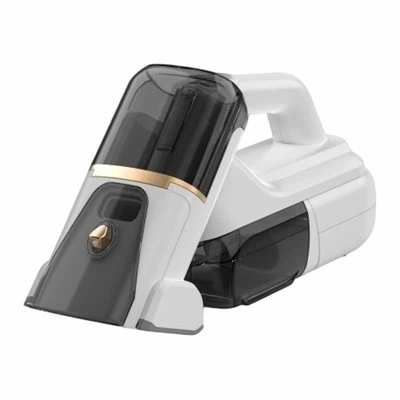
If you’re weighing your options and need help figuring out the right fit for your home, office, or business, don’t hesitate to reach out for procurement discussions. We specialize in high-quality handheld vacuum cleaners designed for reliable, efficient use, and we’d be happy to provide tailored recommendations for your specific needs.
Carpet and Upholstery Steam Cleaner References
- Consumer Reports. (2023). Vacuum Cleaner Buying Guide: Upright vs. Handheld Models.
- International Electrotechnical Commission. (2022). Standard for Vacuum Cleaner Performance and Safety.
- Pet Product News. (2023). Best Vacuum Types for Pet Hair: Spot Cleaning vs. Whole Home Solutions.
- Clean Institute. (2022). The Role of Vacuum Design in Residential Cleaning Efficiency.
Ningbo MLE Electrical Appliance Co., Ltd.
Address: 921 Room, Jinsejiangnan Building, Zhonghe Street, Yinzhou District, Ningbo, Zhejiang, China.
E-mail: Eileen@nbmle.cn
WebSite: https://www.cleaningappliance.com/
