If you’ve ever had a plate of pasta, a glass of wine, or a bag of oily chips tip over on your sofa fabric, you know how stressful oil stains can feel. As someone who’s spent years working with sofa fabric (I’m one of the folks behind the scenes at a sofa fabric supplier), I get it—this stuff doesn’t just sit on the surface; it sinks into the fibers fast, especially if you leave it too long. A lot of people panic and grab a wet rag first, but that’s actually one of the worst moves—water can make oil spread deeper and set the stain permanently. Sofa Fabric

Today, I’m breaking down how to clean oil stains from sofa fabric the right way, with tips that work for most common fabric types (cotton, polyester, microfiber—stuff we supply every day). No fancy, pricey cleaners needed here, just household items you probably already have in your kitchen or cleaning closet. Let’s dive in.
First, let’s start with the basics: what oil stains do to sofa fabric. Oil is hydrophobic, meaning it hates water—so water-based cleaners won’t cut it. They push the oil into the gaps between fibers instead of lifting it out. That’s why the first step is always to remove as much excess oil as possible without rubbing it in. If you rub a stain right when it happens, you’re just grinding the oil deeper. Trust me, I’ve seen customers bring in sofas with stains that got way worse because they scrubbed too hard before.
For fresh oil stains (the ones that are still wet, like if you just spilled olive oil on your sofa during dinner), here’s the quick first step: grab a clean, dry paper towel or a white cloth (colored ones can bleed onto light fabric, which is another mess). Press the towel firmly onto the stain—don’t rub! Keep pressing and replacing the towel with a dry one until no more oil comes off. That takes care of the surface gunk. If you don’t have paper towels, a plain brown paper bag works too—its porous texture soaks up oil great. Just lay it over the stain and put a heavy book on top for 10 minutes, then check it.
Once you’ve gotten the excess oil up, it’s time to use a cleaning solution. Now, here’s where things get tricky: not all sofa fabric is the same. The fabric we supply has care labels, right? Always check that first—most labels will say if it’s washable, dry-clean only, or safe for water-based cleaners. If the label says “S” (solvent-only), skip the water entirely; if it says “W” (water-safe), you can use mild soapy water. If it’s “WS” (both work) or “X” (vacuum only, no water or solvent), that’s when things get a little more careful, but there are still ways to clean it.
Let’s go through the most common fabric types people deal with, since that’s what we see as a supplier. First, microfiber—super popular because it’s stain-resistant, but oil can still stick. For microfiber, the go-to is dish soap and warm water. I’m talking the original blue Dawn, not the fancy scented stuff—its degreasing power is perfect for oil. Mix 2 teaspoons of dish soap with 1 cup of warm water in a spray bottle, shake it up, and spray a tiny bit on the stain. Don’t douse it, just mist it. Then take a soft-bristled brush (an old toothbrush works great) and gently scrub in circular motions—light, not hard. The microfiber’s tight fibers will lift the oil as you scrub. After that, take a clean damp cloth and blot the area to rinse, then dry it with a hair dryer on low heat. Too much heat can shrink microfiber, so keep it low.
Next, polyester—another common one we supply. Polyester is pretty durable, so you can use a stronger degreaser if needed. If the stain is still there after the initial steps, try baking soda and cornstarch. These are both absorbent and gentle. Sprinkle a thick layer of baking soda (or cornstarch, if you don’t have baking soda) over the stain, let it sit for 15 to 20 minutes. The powder will soak up any leftover oil. Then vacuum it up with a upholstery attachment—slow, so you don’t leave powder bits behind. If the stain is still faint, mix a little rubbing alcohol with water (1:1 ratio), dab it on with a cloth, blot, and dry. Alcohol evaporates fast, so it won’t leave water marks.
Cotton sofa fabric is a bit trickier because it’s more porous, but it also holds up well. If it’s stain-resistant cotton, you can use the same dish soap mix as microfiber. If it’s regular cotton, maybe dilute the dish soap a little more (1 teaspoon per 1 cup water) to avoid fading. Never use bleach on cotton—even if it’s white, bleach can weaken the fibers over time, and if you have a colored sofa, bleach will totally ruin it. We have a lot of colored cotton sofas in our inventory, so we always tell customers to skip bleach.
Now, what if the stain is set-in? The kind that’s been there for days, even weeks. Don’t give up yet. For set-in oil stains, try a paste of baking soda and white vinegar. Mix 3 parts baking soda to 1 part vinegar—when you mix them, it will fizz, that’s normal. Spread the paste over the stain, let it sit for 30 minutes (don’t let it dry fully, add a little more vinegar if it gets too crusty). The fizz breaks down the oil, and the baking soda absorbs it. After that, wipe it off with a damp cloth, then vacuum any leftover powder. For really tough set-in stains, we’ve had good results with a small amount of nail polish remover (acetone only—non-acetone doesn’t work on oil) on a white cloth. Dab it gently, don’t rub, then rinse with a little water and dry. Only test the acetone on a hidden spot first, like the bottom of the sofa, because it can remove dye from some fabrics.
Wait, let’s talk about what not to do. I can’t stress this enough: don’t use hot water. Hot water makes oil penetrate deeper, not come out. Don’t use laundry detergent—most laundry detergents are too harsh for upholstery, they can leave a residue that attracts more dirt later. And don’t over-saturate the fabric. A little goes a long way—too much liquid can seep into the cushions, which can lead to mold or mildew if it doesn’t dry fully. I’ve heard so many horror stories from customers who soaked their sofa and had to replace the cushions because mold grew. That’s avoidable if you use just enough moisture, not too much.
Now, after you clean the stain, how to dry it properly. Lay a clean, dry towel over the area and put something heavy on top, like a stack of books, to absorb any leftover moisture. Leave it for at least an hour, then check. If it’s still damp, use a hair dryer on cool or low heat, moving it around so you don’t burn the fabric. Never leave a damp spot—even if it looks dry, leftover moisture can cause issues over time. Also, once the stain is gone, you can vacuum the whole sofa to freshen it up—we recommend doing this weekly anyway, it keeps fibers clean and prevents small stains from turning into big messes.
Here’s a quick tip from us as a sofa fabric supplier: if you’re worried about cleaning it yourself, or the stain is super big (like a whole section of sofa fabric), a professional upholstery cleaner is worth it. They have special solvents that are safe for different fabrics, and they know how to get stains out without damaging the sofa. But for most small stains (the ones you get from a single spill), the household method works just as well.
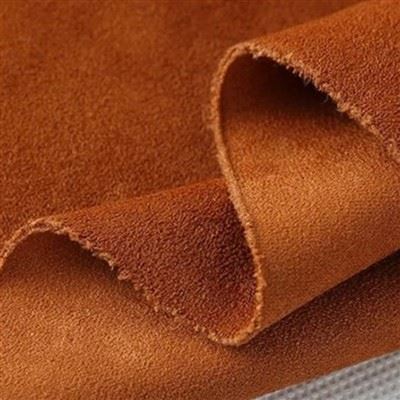
At the end of the day, oil stains on sofa fabric aren’t the end of the world. The key is to act fast, don’t rub, use the right products for your fabric type, and don’t over-saturate. If you’re in the market for new sofa fabric (whether to replace a stained one, or just to upgrade your living room), reach out to our team—we’ve got a huge selection of durable, stain-resistant fabrics that are easy to clean, perfect for busy households, families with kids, or anyone who’s prone to accidental spills. Just get in touch, and we can walk you through the best options for your space.
Polyester Spandex Fabric References:
- Textile Institute. (2022). Guide to Upholstery Fabric Stain Removal. Textile Industry Technical Journal.
- Home Cleaning Association. (2023). Safe Cleaning Practices for Common Sofa Fabrics. Residential Care Research Report.
- American Cleaning Institute. (2021). Hydrophobic Stain Removal for Household Textiles. Cleaning Science Bulletin.
Shaoxing Haoman Textile Co., Ltd.
As one of the most professional sofa fabric manufacturers and suppliers in China, we’re featured by quality products and good service. Welcome to wholesale custom made sofa fabric at competitive price from our factory. If you have any enquiry about cooperation, please feel free to email us.
Address: Room422, Building19, Keqiao Cross-border E-commerce Industrial Park, Shaoxing City, Zhejiang Province
E-mail: 30473967@163.com
WebSite: https://www.haomantextile.com/
