If you’ve ever huddled around a 4G LTE PoC radio during a site wide outage, or stood in a remote worksite where cell service flickers but you need to call the office landline, chances are you’ve asked the same question: Can these push-to-talk devices actually connect to traditional landlines? As a supplier of 4G LTE PoC radios, I get this question all the time—usually from field managers, construction foremen, and event techs who’ve outgrown their old two-way radios but still need to bridge the gap between their mobile teams and legacy office systems. The short answer is yes, but it’s not as straightforward as hitting a “landline connect” button. Let’s break down how this works, what real world limitations you’ll run into, and why it matters for your team’s workflow. 4G LTE Poc Radio

First, let’s get clear on what we’re talking about here. 4G LTE PoC (Push to Talk over Cellular) radios aren’t your grandpa’s walkie talkie. They use 4G LTE cellular networks to send voice, text, and even video across long distances—think miles, not just the half mile range of a analog two way radio. That’s a huge upgrade for teams spread across a city, a job site, or even a rural region. But landlines, meanwhile, run on the Public Switched Telephone Network (PSTN), a legacy system that uses copper wires, circuit switched connections, and a different signaling framework than 4G LTE data networks. To connect these two, you need a middleman: a gateway, or a service provider that acts as a translator between the two networks.
Let’s start with the core technology that makes this possible. Most of our 4G LTE PoC radios don’t have a built in PSTN port for a landline. Instead, they connect to the internet (via 4G LTE) to send their voice calls to a PoC server. That server can be configured to integrate with landline networks via Session Initiation Protocol (SIP), the standard that powers most modern voice over IP (VoIP) and landline interconnections. SIP is key here because it’s a set of rules that lets different communication systems “talk” to each other. So when a field user presses the push to talk button on their PoC radio, the server converts that LTE based voice stream into a SIP formatted signal, which is then sent over the internet to a gateway that connects to the PSTN.
Wait, but there’s more than one way to skin this cat. Some teams use a dedicated VoIP-PSTN gateway appliance that sits on their office network. That gateway takes incoming SIP calls from the PoC server and routes them to the landline system, whether that’s a traditional copper landline or a hosted PBX that still connects to PSTN lines. Other teams use cloud based PoC service providers that include landline integration as a built in feature. That means you don’t have to buy extra hardware—you just enable the landline function in your account settings, and the service handles all the translation between your radios and the office landline.
But here’s where the real world stuff comes in, because it’s not all smooth sailing. The biggest limitation is network reliability, right? 4G LTE depends on cellular service, and if you’re in a area with weak signal (say, deep in a basement parking garage at a construction site, or in a rural valley with only one cell tower), your PoC radio might drop the connection before it can route to the landline. I’ve had a customer in the oil and gas industry tell me horror stories of trying to call the main office landline from a well site in West Texas, only to get cut off mid call three times in a row because the LTE signal dipped. That’s not a flaw in the PoC technology itself—it’s a function of cellular network coverage. If you need consistent landline access from remote sites, you might have to add a signal booster or look into a dedicated LTE backup plan instead of relying on a standard consumer or small business plan.
Another common pitfall is call quality and latency. PoC calls are designed to be low latency for real time push to talk communication, so you don’t have long waits between pressing the button and talking. But when you route that call through a PSTN gateway, you can add a little extra delay—usually less than a second, but enough to make conversations feel clunky if you’re not used to it. And if your internet connection is slow (even over 4G LTE), that delay gets worse, and you might hear static or choppy audio when connecting to a landline. We always recommend testing the landline integration in your specific environment before rolling it out to your whole team. A test call from a worksite in your area will tell you if the signal is strong enough and if the latency is acceptable for your workflows.
There’s also the question of call direction. Can landlines call PoC radios, too? Yes, that’s the other side of the equation. If someone sitting at their desk picks up their office landline and dials a number assigned to a PoC radio, the SIP gateway will route that call from the PSTN to your PoC server, and then send it out to the radio. That’s a huge win for teams that need to coordinate between office staff and field workers—instead of texting the foreman and waiting for a reply, you can just call their radio directly, no extra steps. But you do need to make sure your landline number is configured in your PoC system, and that the gateway is set up to accept incoming calls from the PSTN. Some older or smaller landline providers might have restrictions on incoming SIP connections, so it’s worth checking with your provider before setting up integration.
Let’s talk about use cases, because that’s where this technology actually makes sense. For construction companies with multiple sites across a city, being able to call the site manager’s PoC radio from the office landline instead of trying to track them down on a cell phone saves hours a week. Event management teams use it to coordinate between their on site techs and the main office, or to call venue landlines to adjust setup timelines during a concert or trade show. Even field service teams—HVAC, electrical, plumbing—can use it to call their office landline to send job updates, or let a customer service rep call a tech directly from their desk to walk them through a repair. I had a commercial HVAC customer last year who told me that after setting up landline integration for their PoC radios, they reduced call back times by 25% because their techs could get answers from the office right away, instead of waiting for a text or a cell phone call.
Now, what are the alternatives if landline integration isn’t working for your team? Some smaller teams use cell phones as a middleman—they pair their PoC radio with a cell phone that has a landline call app, but that’s clunky and adds extra steps. Or they upgrade to a hosted PBX system that supports native PoC integration, but that requires a bigger upfront investment. But for most teams, the SIP gateway or cloud based service route is the most cost effective, especially if you’re already using 4G LTE PoC radios and don’t want to overhaul your whole communication system.
Wait, let’s clear up a common misconception: 4G LTE PoC radios don’t replace landlines entirely, but they do extend their functionality to mobile teams. A lot of people ask me, “Why not just have everyone use cell phones?” The answer is push to talk. PoC radios are designed for quick, one to many communication—you can hold down a button and call 10 field workers at once, which is way faster than making 10 individual cell calls. Landlines don’t do that. So the sweet spot is combining the push to talk power of PoC radios with the ability to call legacy landlines for one on one, office based communication.
I should also mention security. When you route calls between PoC radios and landlines, you want to make sure those conversations are private. Good 4G LTE PoC systems use end to end encryption for calls, so the signal from the radio to the server is secure, and when it’s translated to SIP for the PSTN, most gateways also encrypt those connections. But it’s important to ask your supplier about encryption protocols if you’re working with sensitive information—like construction blueprints, or healthcare data if you’re in the medical field. A lot of teams don’t realize that not all PoC radio integration with landlines is encrypted, so that’s a key point to test during setup.
Let’s talk about real world setup, too. When we walk a customer through adding landline integration to their 4G LTE PoC radios, the first step is checking their network and service. We ask them what type of landline system they have—traditional copper, VoIP hosted PBX, or something else. Then we set up the SIP trunk between their PoC server and their gateway, or help them configure the cloud based service. We always recommend doing a pilot test: assign 5 to 10 radios and landline numbers, test calls at different times of day, in different locations, and have the team give feedback on call quality. If they’re getting choppy audio in a certain area, we can suggest adding a signal booster, switching to a different LTE plan, or adjusting the gateway settings.
Last year, we worked with a large construction firm that was using a mix of analog two way radios and cell phones to coordinate between their Chicago office and job sites across the Midwest. They were struggling with dropped calls when trying to reach their site foremen, and they were missing urgent updates because the foremen couldn’t be reached on cell service in some of the old warehouse sites they were working on. We set them up with our 4G LTE PoC radios, configured the system to integrate with their office landlines, and added a few signal boosters for the downtown sites. Within a month, they reported that urgent communication issues were down by 70%, and their office staff could reach the field teams directly through the landline when needed, instead of waiting for a cell call. The foremen loved being able to use the push to talk for quick team huddles, and switch to a landline call when they needed to talk to the office about a long term project.
So, to circle back to the original question: Can 4G LTE PoC radio connect to landlines? The answer is yes, but it depends on three things: your network coverage, the integration setup between your PoC system and landline, and testing in your specific work environment. It’s not a plug and play feature for every single use case, but for teams that need to bridge mobile field communication with legacy office systems, it’s a game changing upgrade that saves time, reduces miscommunication, and makes coordination way easier.
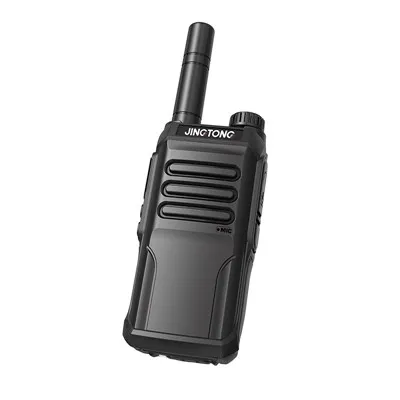
If you’re considering adding landline integration to your 4G LTE PoC radios, or you’re looking for a reliable system that can connect your field teams to office landlines, we can help. We offer customized setup, testing support, and ongoing service to make sure your integration works as smoothly as possible for your team. Don’t waste another day dealing with dropped calls or missed updates—reach out to us to discuss your specific needs and how our 4G LTE PoC radios can connect your teams and your landlines.
4G LTE Poc Radio References
Federal Communications Commission. (2022). Session Initiation Protocol (SIP) for Telecommunications. Retrieved from FCC.gov
3GPP. (2021). Technical Specification Group Services and System Aspects; Push to Talk over Cellular (PoC) Stage 2. Retrieved from 3gpp.org
Global System for Mobile Communications Association. (2023). LTE Push to Talk Use Cases for Enterprise Workflows. Retrieved from GSMA.com
Jingtong (Quanzhou) Electronics Co., Ltd.
We are one of the most professional 4g lte poc radio manufacturers and suppliers in China, specialized in providing high quality customized service. We warmly welcome you to buy durable 4g lte poc radio made in China here from our factory. For price consultation, contact us.
Address: No.288, Si Huang Industry Zone, Xia Mei Town, Nan An, Quanzhou, Fujian province, China 362302
E-mail: jtdjj@jtdjj.com
WebSite: https://www.jteradio.com/
