If you’ve ever spent time on a shop floor, you know a horizontal surface grinder is more than just a metal-cutting machine—it’s the workhorse that turns rough, uneven stock into precise, flat parts that keep aerospace components, automotive engines, and mold-making projects running smoothly. As someone who’s been supplying horizontal surface grinders for over 12 years, I’ve seen firsthand what happens when operators skip basic maintenance: a hydraulic system that acts up mid-job, ruining a $10,000 part and leaving a shop short on output for days. I’m not here to sell you another machine right now— I’m here to share the exact, field-tested maintenance steps my team teaches every customer to keep their grinder’s hydraulic system running like it did the day it left our loading dock. Hydraulic systems are the quiet brains of a horizontal surface grinder: they power the table’s back-and-forth movement, adjust the wheel head’s vertical feed, and control the coolant delivery. When they fail, the whole machine grinds to a halt (pun intended). The good news is that most hydraulic issues are preventable with consistent, routine checks—no fancy engineering degree required. Let’s break this down into actionable, easy-to-follow steps that fit into even the busiest shop schedule. Horizontal Surface Grinder

First, let’s start with the most basic, and most overlooked, task: daily fluid checks. I’ve had customers call me at 7 a.m. panicking because their grinder’s table wouldn’t move, only to find the hydraulic fluid was 2 inches below the minimum line on the reservoir. That’s not a mechanical failure—that’s an operator skipping a 2-minute check before the first shift. Here’s how to do it right: before powering on the grinder, locate the hydraulic reservoir (it’s usually a metal tank near the base of the machine, with a dipstick or a sight glass). Wipe the area around the cap or sight glass with a clean rag to keep dirt out—contamination is the #1 enemy of hydraulic systems. For dipstick models, pull it out, wipe it clean, reinsert it all the way, and pull it again to check the level. It should sit between the “MIN” and “MAX” marks. For sight glass models, make sure the fluid level is steady in the middle of the glass, not low enough to suck in air. Now, don’t just check the level—check the condition of the fluid. Good hydraulic fluid is amber, translucent, and free of debris. If it’s dark brown, smells burnt, or has visible metal shavings or sludge floating in it, that’s a red flag. Burnt fluid means the system is overheating, which speeds up wear on seals and pumps. Metal shavings mean internal components are wearing out, and you need to investigate before a pump or valve seizes up. A quick tip: keep a small, clear jar on your workbench to collect a sample every 3 months. If you pour it into the jar and it looks murky compared to a new unopened jug of the same fluid, it’s time to change it.
Next, weekly filter and line inspections. Filters catch tiny particles that would otherwise damage pumps and valves, but most operators only change them when the machine throws an error code—by then, the filter is already clogged, putting extra strain on the system. My recommendation is to change the primary hydraulic filter every 500 operating hours, or at minimum once every 3 months, whichever comes first. If your shop runs two shifts a day, that’s about 2 months of heavy use, so adjust accordingly. Here’s how to replace it safely: first, turn off the grinder and disconnect the power source. Then, relieve the system pressure—do this by cycling the hydraulic control levers a few times while the machine is off, or by opening the pressure relief valve (check your operator manual for the exact location) to release any trapped fluid. This prevents hot, pressurized fluid from spraying when you remove the filter. Once the old filter is removed, wipe the filter housing with a clean rag to remove any dirt or residual fluid, then install the new filter, making sure to tighten it to the manufacturer’s specifications (don’t over-tighten—you’ll crack the housing, and under-tighten, and you’ll get leaks). While you’re at it, inspect all hydraulic lines and hoses. Look for cracks, bulges, or wet spots (that’s fluid leaking). Even a small leak can lead to low fluid levels and contamination. If you spot a hose that’s bulging or cracked, replace it immediately—don’t wait until it bursts mid-job. Also, check the line fittings to make sure they’re tight, but don’t use a wrench to crank them—hand-tight plus a quarter turn is enough for most fittings.
Monthly, we dive into more detailed checks: seal inspections, fluid temperature monitoring, and valve function tests. Seals are the rubber gaskets that prevent fluid from leaking and keep air out of the system. Over time, they wear out from heat, pressure, and fluid contamination. To check them, you’ll want to wipe down all the hydraulic cylinder rod ends (the parts that extend and retract) with a clean rag, then inspect for any fluid seepage. If you see a steady stream of fluid dripping from a cylinder rod, the seal is worn and needs to be replaced. A small seep, less than a drop per minute, is often normal, but if it’s increasing, schedule a seal replacement before it becomes a leak that affects performance. Fluid temperature is another key metric. The ideal operating temperature for most hydraulic systems is between 100°F and 140°F (38°C and 60°C). If the fluid gets hotter than 180°F (82°C), that’s too hot, and it will break down the fluid and damage seals. How do you check temperature? Most modern grinders have a digital temperature gauge on the control panel, but if yours doesn’t, you can use a non-contact infrared thermometer to point at the reservoir or the return line to get a reading. If it’s consistently overheating, check the cooling system—make sure the radiator or cooler is free of dust and debris, especially if the machine is used in a dusty shop. Clogged coolers can’t dissipate heat, so they run hot all the time. Finally, test the hydraulic valves. Valves control the flow of fluid to different parts of the system, and if they stick, your table or wheel head won’t move smoothly. To test them, run the table’s forward and reverse cycle 5 times, and listen for any jerky movements or unusual grinding noises (pun intended again, but it’s true). If the table sticks when moving, or the wheel head won’t adjust smoothly, the valve might be stuck from contamination. You can try flushing the system with a compatible hydraulic fluid to clear small debris, but if that doesn’t work, it’s time to have a technician inspect the valve.
Every six months, or after every 3,000 operating hours, we recommend a full fluid change and system flush. Even if the fluid looks clean, it’s additive package is breaking down over time, which means it’s no longer providing the lubrication and protection your system needs. Here’s the process for a full flush: first, make sure you have the correct type of hydraulic fluid for your grinder. Using the wrong fluid (like engine oil or generic hydraulic fluid) is a common mistake that can ruin a system. Check your operator manual for the exact viscosity and type—most of our horizontal surface grinders use ISO 46 or ISO 68 anti-wear hydraulic fluid. Start by draining the old fluid from the reservoir and the hydraulic lines. While it’s draining, remove the old filter and inspect the suction and return line screens (small filters inside the lines) for debris. Clean or replace these screens if they’re dirty. Once the old fluid is fully drained, refill the reservoir about a third full with new hydraulic fluid, then run the grinder on low idle for 10 minutes to circulate the new fluid and loosen any remaining sludge. Turn off the machine, drain the fluid again, replace the filter and line screens, then refill the reservoir to the correct level. Run the machine for another 10 minutes, check the level again, and top off if needed. This process removes 95% of old fluid and contaminants, giving your system a fresh start.
Now, let’s talk about some common mistakes I see operators make that lead to hydraulic issues, even when they’re following the above steps. First, using dirty rags or containers when handling hydraulic fluid. If you pour new fluid from a jug that has dirt on the cap, or use a rag with metal shavings to wipe the dipstick, you’re adding contamination to the system. Always use clean, lint-free rags and store fluid containers in a closed area when not in use. Second, ignoring air in the hydraulic system. Air bubbles in the fluid cause spongy movements, jerky operation, and overheating. You can tell if there’s air by the fluid being foamy in the reservoir, or a hissing noise when the machine runs. To bleed air, run the table through its full cycle a few times with the reservoir cap off, then top off the fluid as needed. Third, skipping maintenance to save time. I know shop floors are busy, and every minute the machine is down costs money. But a 10-minute check daily is way cheaper than a $2,000 pump replacement and 3 days of downtime. Over the 12 years I’ve been supplying grinders, the customers who follow a consistent maintenance schedule have 70% fewer hydraulic failures and their machines last 5 to 7 years longer than those that don’t.
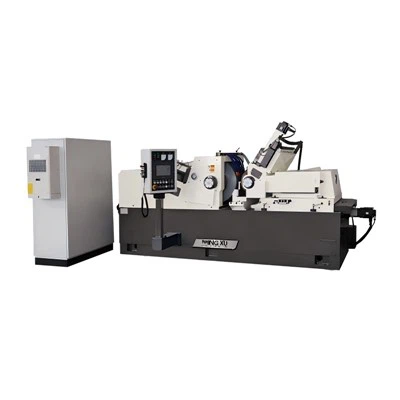
If you own a horizontal surface grinder, your hydraulic system is the heart of its operation. Taking care of it doesn’t have to be complicated or time-consuming. By sticking to daily fluid checks, weekly filter changes, monthly inspections, and semi-annual full flushes, you’ll keep your machine running smoothly, reduce downtime, and extend its lifespan. At the end of the day, the best maintenance is the kind that prevents problems before they start—and that’s exactly what I teach every customer who buys a grinder from our team. If you’re looking for a reliable horizontal surface grinder, or want to learn more about optimizing your current machine’s hydraulic system, we’re here to help. Feel free to reach out to our team to discuss your specific needs, and we’ll provide personalized guidance to keep your operation running at peak efficiency.
Precision Centerless Grinder References:
Hydraulic Institute. (2020). Hydraulic System Maintenance Best Practices. Hydraulic Industry Standards and Technical Reports.
Okamoto, K. (2018). Maintenance of Machine Tool Hydraulic Systems. Journal of Manufacturing Processes.
American Society of Mechanical Engineers (ASME). (2019). Standard for Hydraulic Fluid Power Systems in Machine Tools. ASME B106.1M-2019.
Wuxi Mingxu Machinery Equipment Co., Ltd.
As one of the most professional horizontal surface grinder manufacturers and suppliers in China, we’re featured by quality products and good price. Please rest assured to buy the best horizontal surface grinder for sale here from our factory. Also, custom service is available.
Address: No. 5-5 Jinke Wealth Plaza, Changjiang North Road, Xinwu District, Wuxi City, Jiangsu Province
E-mail: yingyingmxjd@163.com
WebSite: https://www.mingxu-china.com/
