Let me start by saying this: I get asked this question at least 10 times a week from customers, both new and returning. Most of them are either ceramic watch collectors who just got their first piece in that material, or regular clients who messed up a regular watch box when they bought their first ceramic piece and now they’re kicking themselves. So yeah—ceramic watches need specific watch boxes. And no, that’s not just a sales pitch, it’s actually a thing based on how ceramic works. Watch Boxes
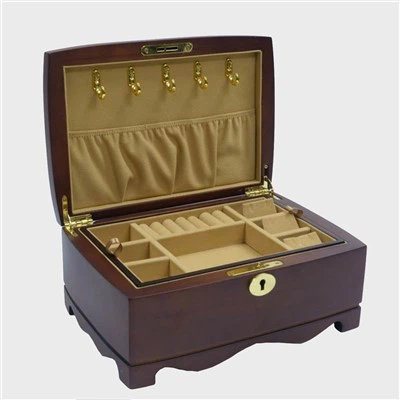
I used to be skeptical too, back when I first started in the watch box game 12 years ago. I was like, “Watch is a watch, right? Some boxes just hold them.” Nope. Not with ceramic. Let’s break this down real simple so you don’t make the same dumb mistakes I saw early on.
First, let’s talk about what makes ceramic watches different from, say, stainless steel ones. Ceramic is super durable—scratch-resistant, holds its color, doesn’t tarnish, all that good stuff. But here’s the catch: it’s also brittle. Like, way more brittle than steel. If you drop a stainless steel watch onto a hard surface, it might scratch or dent, but it’ll probably keep ticking. Drop a ceramic watch, and depending on where it hits, that ceramic case or bezel can chip or crack instantly. I’ve had customers bring in watches that looked totally fine, until they tried to put them in a regular watch box, and the sharp edges of the box’s insert scraped the ceramic and left a tiny, unnoticeable nick that turned into a full chip a month later. That’s the part most people don’t think about. Regular watch inserts are usually made of foam or cheap velvet that’s got sharp, tight edges after a few uses. For ceramic, those edges are a ticking time bomb.
That’s why our ceramic-specific watch boxes exist. We didn’t just change the label on our existing boxes, either. We tested dozens of materials before we landed on what works. First, the insert—we use a high-density, closed-cell foam that’s been precision-cut to match the exact curves of a ceramic watch’s case. The edges are rounded, not sharp, so there’s no way the ceramic is going to catch on anything when you put it in or take it out. No more scraping those pretty, scratch-resistant exteriors. We also line the insert with a microfiber layer, not the cheap velvet that starts to pill after a month. Microfiber is soft enough to not scratch, but it’s still supportive enough to hold the watch in place. You don’t want your ceramic watch sliding around in the box when you’re moving it from the shelf to the safe, right? A stainless steel watch might be fine, but ceramic’s hard surface can scuff if it’s bouncing against the sides of the box.
Another thing: weight. Ceramic watches are usually a bit heavier than stainless steel ones, even if they’re the same size. That extra weight means you need a box that can support it without sagging or putting pressure on the case. A regular foam insert might compress over time, especially with a heavier watch, which would make the watch tilt. Over months, that tilt can put stress on the ceramic’s lugs (the parts that hold the strap) and eventually cause a crack. Our inserts are made to not compress—we test them by putting a ceramic watch in the same spot 100 times, checking for sagging, and they still look the same after a year. We also make the box base out of reinforced MDF, not thin cardboard, so the whole box doesn’t wobble when you pick it up. No wobbly boxes = no extra stress on your precious ceramic watch.
Wait, I know what some of you are thinking: “I’ve got a nice safe, I just put my ceramic watch in there with my other watches. Why would I need a separate box?” Let’s be real—safes are tight. If you’ve got multiple watches stuffed in there, the ceramic ones are going to rub against each other. Even if they’re scratch-resistant, they’re not scratch-proof. Ceramic can get micro-scratches from other watch parts, especially if those parts have sharp edges (like steel lugs). A dedicated ceramic watch box keeps them separated, so each one has its own space. We also make boxes with individual slots, so if you have 5 ceramic watches, each has their own spot, no touching. That’s a game-changer for collectors.
I should also mention storage. Ceramic is sensitive to extreme temperatures and humidity, believe it or not. If you store your ceramic watch in a damp basement or a super hot attic, the adhesive on the bezel can break down over time. A good watch box, especially ones made for ceramic, have a stable interior environment. Our boxes all come with a small, hidden compartment that holds a silica gel packet (we include them, no extra cost) to absorb excess moisture. We line the inside of the box lid with a soft, padded material too, so when you close it, there’s no gap that lets in drafts. I’ve had a customer who kept his ceramic watch in a regular box near his window, and after two years, the bezel started to discolor a little from sun exposure. Ceramic’s color is supposed to last forever, but UV rays can break down the pigment if it’s not protected. Our boxes have a dark, lined lid that blocks almost all UV light, so that doesn’t happen.
Now, I know there are people out there who will say, “I’ve had my ceramic watch for 5 years, I’ve never used a special box and it’s fine.” Cool, for you. But I’ve seen way too many horror stories. Last year, a guy brought in a ceramic Rolex that he’d had for 3 years. He kept it in a cheap velvet watch box with 10 other watches. When he opened it, the bezel had a chip on two sides, right where it rubbed against a stainless steel watch’s lugs. He tried to get it repaired, but ceramic can’t be welded like steel. You have to replace the entire bezel, and that’s not cheap—way more than most people expect. Another customer, a woman who collects vintage ceramic watches, dropped hers once because it slid in a cheap foam box. The case cracked, and she had to pay $1,200 to get it fixed. That’s the stuff we’re trying to prevent with our boxes.
Let me also clear up a common myth: not all watch boxes labeled “ceramic-specific” are the same. A lot of cheap brands just slap a “ceramic” sticker on a regular box and charge $50 more. How do you spot the real ones? Check the insert: is it precision-cut to the exact dimensions of a ceramic watch’s case, or is it a one-size-fits-all foam? Does it have rounded edges, or sharp corners that could scratch? Does the box mention supporting extra weight and blocking UV light? Those are the things that make a ceramic box worth it. Our boxes are custom-cut for every watch size—we’ve tested them on everything from small ceramic ladies’ watches to big, heavy ceramic diving watches, so there’s no guesswork.
I also get asked if you can use a regular watch box with a cushion or something added, instead of buying a new one. Yeah, you can, but is it worth the hassle? I’ve tried that. I used to take an old watch box and cut foam to fit, but it never works right. The foam is too soft, or the edges are still sharp, or it compresses after a month. You end up wasting time and money on materials, and you still risk damaging your watch. Our boxes are made specifically for this, so you don’t have to DIY it. DIY usually leads to mistakes. Ask anyone who’s tried to repair a watch at home—half the time, it ends up worse than before. Same thing here.
For collectors, ceramic watches are a big investment. A nice ceramic watch can cost anywhere from a few hundred to tens of thousands of dollars. Why would you skimp on the box that protects that investment? I tell every customer this: the watch is only as good as the care you put into it. You wouldn’t keep a vintage wine in a plastic bag, right? Same logic here. A ceramic watch deserves a box that’s made for it, not just any old box that holds a watch.
Now, let’s talk about who this is for. If you’re a new ceramic watch owner, starting out with your first piece, our entry-level ceramic boxes are perfect. They hold 1-2 watches, they’re compact, fit on a shelf, and have all the features I mentioned—rounded edges, microfiber insert, moisture control. If you’re a serious collector with 10+ ceramic watches, we have larger boxes that hold up to 20, with individual slots, reinforced bases, and even a lock for extra security. We also make travel cases for ceramic watches, which is another thing people don’t think about. When you’re traveling, your ceramic watch is bouncing around in your carry-on, rubbing against other stuff. Our travel cases are padded on all sides, with a custom insert, so you can toss it in a bag and not worry about damage.
I know some people are price-sensitive, so let’s be transparent. Our ceramic-specific boxes aren’t cheap, but they’re not absurdly expensive either. Entry-level boxes start at around $80, and larger ones go up to $300. Compare that to the cost of repairing a chipped ceramic watch, which is easily $500 and up, not to mention the hassle of being without your watch. It’s a no-brainer, really. You spend $80 on a box to protect a $2,000 watch, that’s way better than spending $500 to fix a damaged one.
Wait, one more thing I need to mention: when you do put your ceramic watch in a box, make sure you clean it first. Ceramic can hold dust and dirt in the tiny pores (yeah, ceramic isn’t 100% non-porous, especially the cheaper stuff), and if you leave that on, it can scratch the watch over time, or transfer to the insert. We include a small microfiber cloth with every box, so you can wipe your watch down before putting it away. That’s a tiny step, but it makes a big difference in keeping your watch looking new.
Let me wrap this up real quick. Yes, there are specific watch boxes for ceramic watches. No, they’re not just a marketing gimmick—they’re necessary because of ceramic’s unique properties: brittle, heavy, sensitive to scuffs and temperature. A regular watch box won’t cut it, and cheap “ceramic-labeled” boxes won’t either. You need a box that’s precision-cut, has rounded edges, supports extra weight, controls moisture, and blocks UV light.
If you’re tired of worrying about damaging your ceramic watch, or you just bought your first piece and want to make sure it stays in perfect shape, we can help. We make all our boxes with these exact features, tested by collectors and watchmakers, so you know you’re getting something that actually works. If you’ve got questions about sizing, or want to see specific designs, or need a custom box for a rare ceramic watch, just reach out. We’re here to help, not just sell boxes.

Oh, and before I forget—don’t listen to anyone who says a regular box is fine. I’ve been doing this too long. I’ve seen the chips, the cracks, the discoloration. Ceramic watches are worth protecting, and the right box is the best way to do that.
Wooden Gift Boxes References:
- The Watch Doctor: Ceramic Watch Care & Maintenance (2021)
- Journal of Materials Science: Properties of Ceramic Watch Components (2019)
- Watch Collectors Association Guide to Specialty Watch Storage (2022)
- International Watch Repair Association: Common Ceramic Watch Damage Causes (2020)
Foshan Huiyee Packaging Product Co., Ltd.
We are one of the most experienced watch boxes manufacturers and suppliers in China, featured by quality products and good service. Please feel free to buy bulk high-end watch boxes for sale here from our factory. We also accept customized orders.
Address: No.3 Zhaoji Road, Zone A, Shishan Science and Technology Industrial Park, Shishan Town, Nanhai District, Foshan City, Guangdong Province
E-mail: Betty@huiyeewood.com
WebSite: https://www.huiyeewood.com/
