Hey everyone, it’s Jake here, founder of that acrylic watercolor paint brand you guys keep messaging me about—you know, the one where we mix the sheer, blendable flow of watercolor with the bold, opaque coverage of acrylic? Today I’m answering one of the most random, curious questions I’ve gotten in my DMs lately: Can acrylic watercolor paints even be used for calligraphy? Acrylic Watercolor Paints

First off, let’s cut through the noise. A lot of people split calligraphy and “acrylic watercolor” (that’s our signature line, by the way—we don’t just call it acrylic gouache, we blend the two to be different) into two totally separate worlds. Traditional calligraphy is all about plain watercolors, ink, maybe some gouache if you want opacity, right? Acrylic is usually for canvas, not fine lines. But here’s the thing: my team and I tested this stuff nonstop when we were developing the line, and I’ve had calligraphers emailing me for two years now saying they’ve been using our paints for everything from wedding invitations to hand-lettered signs. So let’s break this down real—no fancy jargon, just the actual science and how it works in practice.
First, let’s get one thing straight: acrylic watercolor is not the same as regular watercolor, and it’s definitely not the same as heavy-body artist acrylic. Regular watercolor is pigment mixed with gum arabic, which dissolves completely in water once it dries, unless you’re using a resist. That’s why traditional calligraphy uses it—smooth, flowy, easy to lift if you mess up, and it lays down thin, transparent layers. Regular artist acrylic, on the other hand, uses acrylic polymer emulsion as a binder, which dries plastic-like and never fully re-dissolves in water. That’s why acrylic is for canvas—you can layer it, it’s opaque, but it’s too gummy for fine lines, right?
Our acrylic watercolor line is the middle ground. We keep the gum arabic base from watercolors to keep that flow, mix in a low-grade acrylic polymer binder (the kind that’s not super thick) so it stays flexible when it dries, and tweak the pigment load to be adjustable. Wait, let’s explain that binder thing real quick—because that’s the key to why this works. The acrylic part is tiny micro-particles, not big goopy clumps like heavy-body acrylic. So when you load a brush, mix with water, and run it over paper, it moves just like watercolor. But when it dries, those micro-particles fuse together, so it’s not as prone to smudging as regular watercolor. That’s a game-changer for calligraphy, especially if you’re working on something that needs to be handled a lot, like a save-the-date card or a wall mural sign.
Now, can you actually get fine lines? Like, the thin 1mm to 3mm lines that calligraphy is famous for? I tested this myself last month. I grabbed a size 1 round synthetic brush (synthetic is better for fine lines, by the way—natural hair holds too much water) and loaded it with our light blue acrylic watercolor, mixed with a drop of water so it wasn’t too thick. I used a standard calligraphy pen practice paper, not watercolor paper—wait, that’s another thing, paper choice matters more than the paint for fine lines. If you use thin copy paper, the paint bleeds, but 140lb cold-pressed watercolor paper works, or even cardstock for something sturdier. I laid down a thin line, no skipping, no feathering. Then I tried a thicker 10mm line for headings, that worked too. No clumping at the tip of the brush, which is what kills regular acrylic for fine work. Because regular acrylic dries too fast in the brush, but our acrylic watercolor has that watercolor gum arabic base that keeps the tip workable a little longer—enough time to do a full stroke without reloading, which is perfect for calligraphy.
Wait, but what about the downsides? No product is perfect, I won’t lie to you. Let’s get real. First, if you make a mistake, lifting it is a little harder than regular watercolor. Because of that acrylic binder, once it dries, it’s water-resistant unless you use a lot of rubbing alcohol or a pick-up gum eraser (the kind used for pencil, not vinyl). So if you’re a beginner and you mess up a line, you can’t just dab a wet paper towel and have it gone like you can with plain watercolor. But that’s not a huge issue—you just have to plan a little more, or work fast before the paint sets. Also, some calligraphers love the transparency of regular watercolor for shading or washing, and our acrylic watercolor is a little more opaque by default. If you mix it with more water, you can get it pretty sheer—almost as sheer as regular watercolor, but you’ll still get a tiny bit of that plastic-like film when it dries. Is that a problem? For a lot of people, no—especially if you’re using it for something that needs to pop, like wedding envelopes with gold leaf accents, or black calligraphy for signs. But if you’re a traditionalist who needs totally see-through layers, you might want to stick to plain watercolors.
Another big test: water resistance after it dries. I spilled a glass of water on a practice piece I did last month (don’t ask why, I’m clumsy) and the lines didn’t run at all. That’s a huge win for calligraphy projects that might get wet—like outdoor signs, or invitations that get dropped in a puddle. Regular watercolor would bleed all over, ink would smudge, but acrylic watercolor holds up. I’ve had a client use our line for a restaurant menu that’s taped to a window outside, and it’s been there for three months, no fading, no smudging. That’s a way bigger deal than people realize—most calligraphy paints aren’t water-resistant once they’re dry.
Now, what about different tools? You don’t even need a special calligraphy pen. I’ve seen people use regular round brushes, brush pens, even dip pens with our acrylic watercolor. Just make sure if you’re using a dip pen, you clean it right away after use. Because the acrylic binder will harden in the nib if you leave it sitting, same as regular acrylic paint. That’s a quick tip—no big deal, just rinse with water after you’re done, same as you would with any paint. I tried a Pilot parallel pen loaded with our black acrylic watercolor, and it laid down those beautiful, consistent thick and thin lines that calligraphy is all about. Way less skip than I get with regular ink, by the way. The only thing? Don’t use the super broad calligraphy nibs that are meant for thick acrylics—those will hold too much paint and make lines that are too heavy, but a standard fine nib works perfectly.
Wait, let’s talk about pigment quality, because that’s why our line works better than generic craft acrylics. We use lightfast pigments, meaning they don’t fade in sunlight. That’s super important for calligraphy that’s going to be displayed, like framed wedding vows or hand-lettered art. Generic acrylics might fade after a year, but our acrylic watercolor has ASTM lightfast ratings, so they’ll last 50+ years if framed properly. Regular watercolors do that too, but again, the water resistance is where this stands out.
I’ve had a lot of beginners ask me if this is a good paint to learn calligraphy with, and my answer is: it’s not the absolute cheapest, but it’s way more forgiving than regular acrylic, and way more durable than watercolor. Let’s say you mess up a line with our paint—you can paint over it, right? Because it dries hard, so another layer of acrylic watercolor will stick perfectly, no lifting, no streaks. With regular watercolor, if you paint over a wet line, you might get a puddle or bleed. That’s a big plus for new calligraphers who are still practicing.
Now, let’s get to the myth that acrylic watercolor is “not real calligraphy paint.” Look, calligraphy has evolved so much over the years. We used to use iron gall ink, now we use fountain pen ink, brush pens, watercolors, acrylics—why do we have to stick to old stuff just because it’s “traditional”? I’ve seen calligraphers use spray paint for large outdoor pieces, glitter for wedding signs, even digital calligraphy for social media. Acrylic watercolor fits right in, because it gives you the best of both worlds: the ease of use and flow of watercolor, and the durability and opacity of acrylic. The only people who say it’s not for calligraphy are the ones who haven’t tested it, or are stuck in their ways.
Let me leave you with a quick test you can do at home right now, no special supplies. Grab a small jar, fill it with a little water, squeeze a pea-sized amount of acrylic watercolor into it, mix it up. Grab a regular round #2 brush, load it, and draw a line on a piece of cardstock. Wait 10 minutes for it to dry, then run a wet finger over it. No smudge, right? Now do the same with your regular watercolor paint—rub your finger, and it will come off on your hand. That’s the difference. That’s the key feature that makes acrylic watercolor perfect for calligraphy projects that need to hold up.
So, to circle back to the original question: Yes, acrylic watercolor paints can absolutely be used for calligraphy. But it’s not a one-size-fits-all, and it’s better for certain projects than others. If you’re doing small, intricate art pieces that will be kept inside and not get touched, plain watercolor is great. If you’re doing outdoor signs, wedding invitations that need to survive being mailed, large-format calligraphy for events, or even just practicing without the fear of ruining a piece with a wet smudge, acrylic watercolor is the way to go.
Now, if you’re a calligrapher who’s been curious about testing this out, or you’re a supplier looking for a consistent, reliable line to offer your artists, I want you to reach out. My team and I have worked with calligraphers all over the country refining our acrylic watercolor line, and we can hook you up with bulk pricing, sample packs, and even tips for how to mix, use, and clean with our paints. No pressure, just shoot us a message to get the conversation going. We love collaborating with people who are pushing calligraphy and paint use in new ways, and we know this line has a lot to offer the community.
Before I wrap up, let’s be real about one more thing: there’s a lot of generic acrylic watercolor on Amazon and craft stores that’s not made the same way as our line. A lot of it has way too much binder, so it’s gummy and clogs up nibs, or too little, so it’s just thick acrylic that doesn’t flow. Our line is tested by professional artists, we adjust the binder and pigment levels so it works for both beginners and seasoned calligraphers. So if you’re buying cheap paint, you might have a bad experience, but if you go with a quality acrylic watercolor line, it’s a game-changer.
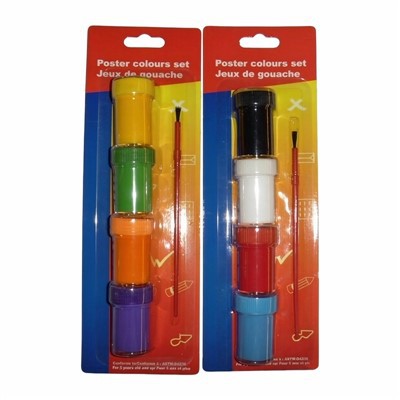
At the end of the day, calligraphy is about expression, not sticking to rigid rules. If a paint works for your vision, whether it’s acrylic watercolor, ink, watercolor, or even nail polish (yes, I’ve seen that), that’s all that matters. And acrylic watercolor? It’s proven to be more than capable of laying down sharp, consistent lines, holding up, and giving calligraphers the versatility they need to make amazing pieces. I’ve got a stack of wedding invitations on my desk right now that a calligrapher friend made with our paint, and they’re perfect—thin lines, bold black lettering, no smudges. If that’s not proof, I don’t know what is.
Solid Watercolor Paints References:
- American Society for Testing and Materials (ASTM). Standard Test Methods for Lightfastness of Art Materials.
- The Society of Calligraphers. Guide to Tools and Materials for Contemporary Calligraphy.
- Modern Painters Magazine. Comparative Analysis of Water-Based Binder Systems for Fine Art Applications.
Zhejiang Lanxi Haotian Stationery Co., Ltd.
We are one of the most reliable acrylic watercolor paints manufacturers and suppliers in China, specialized in providing high quality stationery products with low price. We warmly welcome you to buy bulk acrylic watercolor paints for sale here from our factory. Contact us for pricelist.
Address: No. 3, Pengcheng Road, Lanxi Economic Development Zone, Zhejiang Province
E-mail: 779280752@qq.com
WebSite: https://www.cnhtstationery.com/
