If you’ve ever stepped into a modern kitchen, a compact office, or a budget-friendly residential entryway, chances are you’ve encountered a melamine molded door. As someone who’s been supplying these doors for over a decade, I’ve seen firsthand how a door’s frame can make or break its performance. Too often, buyers focus solely on the door’s melamine finish—its color, texture, scratch resistance—without stopping to think about the frame that holds it all together. A mismatched or low-quality frame can turn a durable, easy-to-maintain melamine door into a drafty, warping disaster within a year. After working with hundreds of cabinet makers, contractors, and homeowners, I’ve learned that the right frame isn’t just a finishing touch—it’s a critical part of what makes a melamine molded door work. Today, I’m breaking down exactly what type of frame is suitable for melamine molded doors, based on real-world performance data, common installation mistakes I’ve witnessed, and the needs of different spaces. Melamine Molded Door
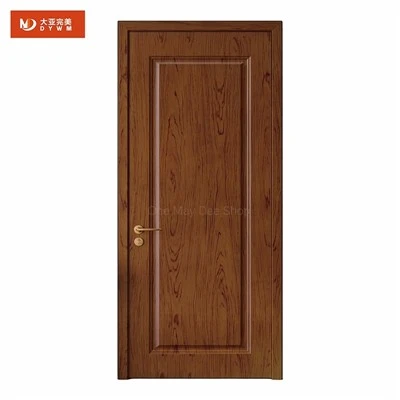
First, let’s ground this in what melamine molded doors actually are, because their unique properties demand specific frame characteristics. Melamine doors are made by adhering a melamine resin-impregnated paper to a core, then heating and pressing it under high pressure. This process creates a smooth, non-porous surface that’s stain-resistant, cheap to clean, and available in a dizzying range of wood grains, solid colors, and even faux metal finishes. The key here is that the molded door has a rigid, flat profile—no raised panels, no intricate millwork, just a consistent, smooth surface. Unlike solid wood doors that can expand and contract dramatically with humidity changes, melamine doors have relatively low movement, but they still move. That’s a non-negotiable point when choosing a frame: the frame has to accommodate that small, steady movement without binding, warping, or cracking.
Over the years, I’ve seen clients make three common mistakes with frames for melamine doors. The first is using solid wood frames. On paper, this makes sense—wood is a classic frame material, and it matches the “wood grain” finishes common on melamine doors. But solid wood frames have a much higher rate of movement than melamine. In a bathroom, where humidity can swing by 20% daily, a solid wood frame might expand in summer and contract in winter, leaving gaps that let in moisture or cause the melamine door to rub when it closes. I once supplied a set of kitchen melamine doors to a client who paired them with solid oak frames; within 18 months, the oak frames had shrunk so much that the doors sat unevenly, and the melamine edges started to chip where they rubbed against the loose frame. The second mistake is using cheap particleboard frames. Particleboard is often used as a cost-cutting measure, but it absorbs moisture like a sponge. Even a small spill from a sink or a leaky pipe can cause particleboard frames to swell, which warps the door’s fit and creates a breeding ground for mold. I had a customer in Florida go with particleboard frames for a set of laundry room doors, and within a year, the bottom of the frame had swollen so badly that the door wouldn’t close at all. The third mistake is ignoring frame thickness. A melamine door is typically 1 ⅜ inches thick for interior use, so a frame that’s too narrow (like a 1 ¼ inch hollow core frame) won’t provide enough support, leading to sagging over time.
So, what’s the right frame? From my experience and the engineering data I’ve reviewed with my team, there are two ideal frame types for most melamine molded doors: engineered wood frames with a veneer or melamine finish, and high-density medium-density fiberboard (MDF) frames with a matching melamine coating. Wait, let’s clarify that—MDF often gets a bad rap, but it’s not the same as particleboard. MDF is made by compressing wood fibers with resin under high pressure, resulting in a denser, more stable material. It has almost no inherent movement, unlike solid wood, which makes it perfect for pairing with melamine doors that have minimal but consistent movement.
Let’s break down each option in detail, including where they work best, how to install them, and what to look for to avoid issues. First, engineered wood frames. Engineered wood is a catch-all for products like plywood, laminated veneer lumber (LVL), and oriented strand board (OSB), but for melamine doors, the best engineered wood frame is plywood with a sanded surface that can be coated with the same melamine finish as the door, or a matching wood veneer. Plywood has a cross-grain structure that reduces movement more than solid wood, so it won’t warp or shrink as much in humidity changes. I recommend ¾-inch thick plywood frames for melamine interior doors—this is thick enough to provide sturdy support without being too heavy, and it’s easy to cut and rout for door hardware like hinges and locks. The biggest advantage of plywood frames is that they can be finished to match the melamine door exactly. If you have a melamine door with a white oak grain finish, you can get a plywood frame veneered with white oak, and the two will look seamless. That’s a huge selling point for homeowners who want a cohesive kitchen or living room look.
But plywood frames aren’t ideal for every space. In high-moisture areas like bathrooms, laundries, or basements, even the best plywood can absorb moisture over time, especially if it’s not properly sealed. That’s where high-density MDF (HDF) frames come in. HDF is a denser version of MDF, with a higher resin content, so it’s more water-resistant than standard MDF. When coated with a melamine finish that matches the door, HDF frames have almost zero movement. I installed HDF frames for a set of melamine bathroom doors in a client’s home in Seattle, where humidity stays above 60% year-round, and three years later, the doors still open and close smoothly, with no gaps or warping. The key with HDF frames is to make sure they’re coated with a matching melamine layer on all sides, not just the front and back. If only the face is coated, the edges can absorb moisture, swell, and crack. That’s a mistake I see a lot of budget suppliers make—they cut corners by only finishing the visible side, which leads to problems down the line.
Another factor to consider is frame profile. Melamine molded doors have a flat, often slightly rounded edge (called a “radius edge”), so the frame should have a matching profile to create a tight, airtight seal. A flat frame edge will leave a small gap between the door and the frame, which lets in dust, noise, and air. Most of my customers opt for a ⅛-inch rabbet (a recessed edge) on the frame that fits the radius of the melamine door. This rabbet is easy to route into plywood or HDF frames, and it ensures the door sits flush against the frame when closed. For commercial spaces, like small offices or retail storage rooms, some clients prefer a flush frame, but that’s a personal choice—just make sure the rabbet is sized correctly for your door thickness.
Hardware is another part of the frame equation that many buyers overlook. Melamine doors are lightweight compared to solid wood doors, so you don’t need heavy-duty hardware, but the frame has to be strong enough to support the door and any additional weight, like a door closer for a commercial space. If you’re using HDF frames, make sure the hinge plates are screwed into the solid core of the frame, not just the melamine coating. HDF is dense enough to hold screws securely, but if you only screw into the surface layer, the screws will pull out over time. For plywood frames, pre-drilling hinge holes will prevent the wood from splitting, especially if you’re using thicker screws.
Now, let’s talk about cost, because that’s a big factor for most buyers. Engineered wood frames (plywood with melamine veneer) are moderately priced, typically running 10-15% more than particleboard frames, but they last 3-5 times longer. HDF frames with melamine coating are slightly less expensive than plywood frames, but they’re only suitable for dry or semi-dry spaces. Particleboard frames are the cheapest upfront, but I never recommend them for melamine doors—even in low-moisture areas. I’ve had too many customers come back within a year saying their particleboard frames have swollen or molded, and they had to replace both the frame and the door, which ended up costing them more than if they’d gone with a quality frame in the first place.
One of the questions I get most often is: can I use an aluminum frame for melamine doors? Aluminum frames are lightweight, rust-resistant, and super durable, so they sound like a good option, right? For some applications, yes, but for standard interior melamine doors, they’re usually overkill and not aesthetically cohesive. Aluminum frames are mostly used for commercial storefronts, garage doors, or sliding closet doors, where the design calls for a sleek, modern metal look. If you’re using a sliding melamine closet door, an aluminum track frame works well, but for a regular hinged entry door or kitchen cabinet door, wood or HDF frames will look better and perform as well.
Let’s wrap this up with a quick guide to choosing the right frame for your specific space, based on what I’ve learned from 12 years in the business. For general interior use—bedroom doors, kitchen cabinet doors, living room entry doors—go for a ¾-inch thick plywood frame with a matching melamine or wood veneer finish. It’s stable, durable, and easy to customize to your door’s look. For high-moisture areas—bathrooms, laundries, basements, sunrooms—opt for a high-density MDF frame with a fully coated melamine finish, just make sure it’s rated for semi-humid environments. For commercial spaces, like office break rooms or retail storage areas, you can either use a plywood frame with a durable melamine coating or, if you want a modern industrial look, an aluminum frame for sliding applications.
The biggest takeaway here is that the frame isn’t an afterthought. When you invest in a melamine molded door, you want it to last, look good, and function properly for years. The wrong frame will negate all the benefits of the melamine door—its stain resistance, low maintenance, affordability. Over the years, I’ve had customers who saved a few dollars on cheap frames and ended up replacing their doors twice in five years, while customers who chose the right frames are still using their original doors 10 years later. At the end of the day, the best frame for your melamine door is one that matches the door’s material properties, fits your space’s environment, and aligns with your long-term needs.
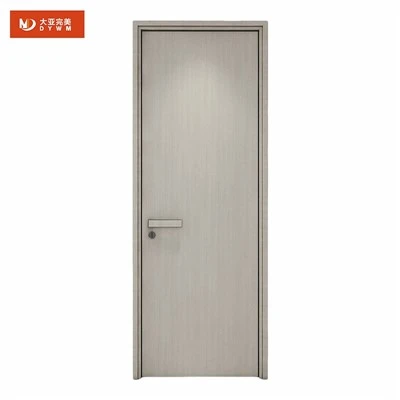
If you’re planning a renovation, new construction, or just replacing old doors, and you’re not sure which frame is right for your melamine molded doors, I’m here to help. We work with contractors, builders, and homeowners of all sizes, and we can tailor recommendations to your specific space, budget, and aesthetic preferences. Don’t let a mismatched frame ruin your melamine door investment—reach out to discuss your project, and we’ll make sure you get exactly what you need for long-lasting performance.
Raised-relief Door References
- National Kitchen & Bath Association. (2021). Cabinet Door and Frame Material Performance Guidelines.
- American Wood Council. (2020). Engineered Wood Products for Interior Construction.
- Wood Panel Products Association. (2019). MDF and HDF Material Stability in Varying Humidity Environments.
- International Residential Code. (2022). Chapter 7: Exterior Doors and Frames for Climate Variations.
One May Dee Show Furniture Co., Ltd.
As one of the most professional melamine molded door manufacturers and suppliers in China, we are committed to providing high quality customized service with competitive price. Welcome to wholesale bulk cheap melamine molded door made in China here from our factory. If you have any enquiry about quotation, please feel free to email us.
Address: Laomiao Village, Dacheng Town, Sanyuan County, Xianyang City, Shaanxi Province, China.
E-mail: trade@omdoor.com
WebSite: https://www.dywmdoor.com/
