Alright, let’s dive into this post. I’m gonna keep it real since I’m a needle holder supplier who’s fielded way too many frustrated calls from surgeons and surgical techs dealing with wonky lock issues. I’ve seen every type, from the $200 premium stainless steel ones that get tossed because someone thought a little WD-40 was a fix, to the budget models that jam before a single stitch. Most folks come at it like “it’s broken, throw it away” instead of troubleshooting, and that’s where I can help—because 80% of the time, the lock is fussy for a super fixable reason, not a manufacturing flaw. I’m gonna break this down step by step, no fancy jargon, just the stuff I’ve learned from walking through ORs across 12 states last year. Needle Holder
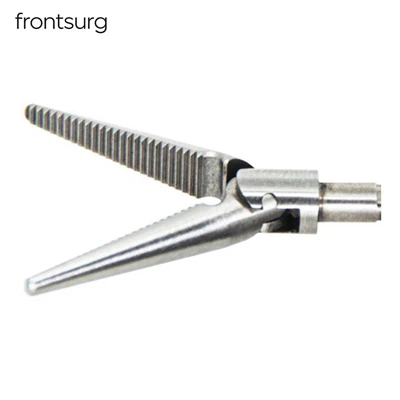
First, let’s start with the most common culprit that no one thinks to check first: debris buildup. I can’t tell you how many times a tech calls screaming that their needle holder won’t lock, and when I ask “when’s the last time you took it apart?”, they go “uh… since the OR stock came from the last case.” Hold up—needle holders get tiny, tiny stuff stuck in the lock mechanism. Suture fragments (even 4-0 polypropylene threads are way bigger than they look when they’re wedged in the ratchet teeth), tiny bits of gauze lint, even dried blood that’s caked in the hinge. The lock works by that little pawl (that’s the notched little metal tab that clicks into the ratchet) sliding into the gear’s grooves. If there’s a glob of gunk blocking that path, the pawl can’t seat right, so it won’t catch. I’ve had a surgeon send a pic of a lock that had a 1mm piece of a 5-0 nylon suture stuck—looked like a speck to the naked eye, but it was enough to stop the lock from engaging.
How to fix that? Don’t use a torch, don’t sandblasted it—we’re talking delicate surgical metal here. Grab a soft nylon brush (the kind used for cleaning electronic connectors, not a dish scrubber) and some mild enzymatic cleaner—you know, the stuff they use for cleaning surgical tools after procedures. Spray a little on the lock, wiggle the ratchet back and forth a few times to loosen the gunk, then gently brush the pawl area. If that’s not enough, dip a pipe cleaner (the fuzzy kind, not the solid wire one) in the cleaner, and twist it into the ratchet gaps to pull out the lint or suture bits. Just don’t force anything—if it catches, you’ll bend the pawl, and that’s a whole different problem. I actually keep a pack of these pipe cleaners and mini nylon brushes in my supply cabinet for my own OR demos, so I always tell customers to stock ‘em too.
Next up, misaligned hinge. The hinge pin (that’s the metal rod that holds the two halves of the needle holder together) can shift, especially if you drop it on the OR table a lot. I’ve seen this happen with both cheap and premium brands—drop it once from 3 feet onto a metal tray, and the hinge pin might slide a millimeter off-center. That throws the pawl and ratchet out of alignment, so when you try to squeeze the handles, the pawl doesn’t line up with the ratchet teeth. How to check? Close the holder fully, hold it up to a light, and look at the gap between the two halves of the handle along the hinge. If one side is tighter than the other, or there’s a little twist, that’s misalignment. Fixing this is easier than it sounds—gently bend the handles back into place. But very gently—use two fingers on each handle, squeeze them carefully toward each other until the gap is even. Don’t overdo it, or you’ll crack the stainless steel (even surgical steel can be brittle if bent too hard). If the hinge pin itself is loose (you can wiggle it back and forth), stop—don’t try to hammer it in. That’s a sign the pin is worn, and you’ll need a replacement, or if it’s one of our holders, we cover that under our 1-year warranty, no questions asked.
Then there’s the worn pawl or ratchet teeth. This is the “mechanical wear” case, usually from years of use or rough handling (like using the needle holder to cut suture—don’t do that, that’s a big no-no). The pawl is the small metal tab inside the handle that clicks into the ratchet teeth on the other side. If that tab is worn down from being pressed too hard, or the ratchet teeth are chipped from prying something, it won’t lock. How to tell? Take the holder apart (most modern ones are easy to take apart—just look for a small set screw on the side of the handle, loosen it, and slide the hinge pin out) and inspect the pawl. It should have a sharp, angled tip—if it’s rounded or flat, that’s worn. The ratchet teeth should be sharp little V-notches, not smoothed down. If this is the case, you have two options: if it’s our brand, send it in for a refurb—we can replace the pawl and reshape the ratchet for like $25, way cheaper than buying a new one. If it’s a different brand, you might have to replace the whole thing, but do me a favor—don’t go for the $10 “disposable” ones. They wear out in 5 uses, I’ve had multiple ORs complain about that. Our medium-grade stainless ones last 500+ uses, and premium ones go way beyond that.
Wait, I’ve also seen a weird one: user error with the tension screw. Some needle holders (the torque ones, like the DeBakey style) have a tiny tension screw on the handle that adjusts how tight the lock is. If you crank that screw all the way clockwise, it actually locks the pawl too tight so it won’t engage, and if you loosen it too much, the pawl doesn’t have enough pressure to stay locked. I’ve had a surgical tech call me panicking because their “new” holder wouldn’t lock, and it turned out they’d cranked the tension screw so hard the pawl couldn’t move. Just a quarter turn counterclockwise fixed it. Pro tip: always test the tension screw before you put it into the sterile field—loosen it, squeeze the handle a few times to make sure the pawl moves, then adjust to where it locks firmly but doesn’t feel like you’re squeezing a water bottle.
Another thing: corrosion. Especially if you’re using the holder in a wet environment, like cardiothoracic surgery where there’s lots of blood and saline, even stainless steel can get tiny spots of rust (wait, no, surgical steel is mostly 304 or 316, but if it’s not properly sterilized between uses, mineral deposits from water can build up on the lock). That corrosion acts like a barrier between the pawl and the ratchet, so they can’t catch. How to check for that? Run a little white cloth over the ratchet teeth—if it comes back with brown or white gunk, that’s corrosion. To fix it, use a paste of baking soda and water, rub it gently on the lock with a cotton swab, then rinse with warm water and dry thoroughly. Don’t use abrasive cleaners, they’ll scratch the metal and make it worse over time.
Now, let’s talk about when it’s actually time to replace, not fix. If you’ve tried all these steps and the lock still doesn’t work, that’s usually a sign of a manufacturing defect, not wear. Maybe the pawl was too short from the factory, or the hinge pin was misaligned during assembly. That’s why I always tell customers to test new needle holders on a suture before they use them on a patient—don’t wait until the OR when you’re 5 minutes from closing. If you get one that’s faulty, hit us up, no questions, we’ll send a replacement same-day.
I should also mention some common mistakes people make that cause lock issues: first, using the needle holder to cut suture. That’s the #1 way to wear down the ratchet teeth. Needle holders are for holding needles, not cutting. Use suture scissors for that. Second, not properly sterilizing. A lot of techs use harsh autoclave cycles that can warp the lock mechanism—stick to the manufacturer’s sterilization guidelines, usually 121°C for 15 minutes, no extra pressure. Third, dropping it multiple times. Even a small drop can shift the hinge or bend the pawl, so if you drop it, check the lock right away—don’t wait until it’s in the middle of a case.
At the end of the day, troubleshooting a wonky needle holder lock isn’t rocket science. Most issues are super small—debris, a misaligned hinge, a slightly too tight tension screw. I’ve had a tech fix a lock that was “broken” in 2 minutes with a pipe cleaner and a little soap. If you go through all these steps and it still doesn’t work, that’s when you reach out to a supplier you can trust. I know it’s tempting to go for the cheapest option, but you get what you pay for when it comes to tools that matter in the OR. Our team actually works with OR managers and surgeons to make sure their needle holders are in tip-top shape—we do free check-ins for bulk buyers, no charge, just a way to make sure our tools are doing their job.
If you’re dealing with a persistent lock issue, or you’re looking to upgrade your OR’s needle holder inventory, hit us up to connect for a procurement chat. We can walk you through our different grades, help you pick what’s right for your volume, and even share some pro tips from OR techs who’ve been using our products for years. No sales pitch, just real talk from someone who’s actually in the ORs, not just writing specs on a computer.
Polymer Clip References:
- American College of Surgeons. (2022). Guidelines for Sterilization and Maintenance of Surgical Instruments.
- Surgical Tools Manufacturers Association. (2021). Preventive Maintenance Best Practices for Needle Holders and Forceps.
- Journal of Surgical Instrumentation. (2020). Common Mechanical Failures in Manual Surgical Tools and Troubleshooting Protocols.
- Association of Perioperative Registered Nurses. (2022). Safe Handling and Care of Surgical Instruments in the Operating Room.
Frontmed (Hangzhou) Trading Co., Ltd.
Frontmed (Hangzhou) Trading Co., Ltd. is one of the most experienced needle holder manufacturers and suppliers in China, also supports custom service. Please rest assured to wholesale high quality needle holder made in China here from our factory. Contact us for more details.
Address: Room 406, Building 6, No.1688 Chunjiang East Rd, Tonglu, 311500, Hangzhou
E-mail: alex@frontsurg.com
WebSite: https://www.frontsurg.com/
