If you’ve spent any time scrolling through skincare forums or standing in the personal care aisle, you’ve probably seen repair peptides popping up as a go-to solution for dark spots. As someone who’s spent the last 8 years working directly with repair peptide formulations for our own line, I get it—dark spots are one of the most stubborn skin concerns people face, and it’s easy to grab the first ingredient that promises results. But the question I get more than any other, from new customers and long-term partners alike, is this: Do repair peptides actually work on dark spots? Repair Peptides
Let’s start by grounding this in what dark spots really are, because if you don’t understand the root cause, you can’t spot if an ingredient is actually doing something. Dark spots—whether they’re post-acne marks, sun spots (solar lentigines), or melasma patches—are all driven by excess melanin production in the skin. Melanin is the pigment that protects your skin from UV damage, but when your melanocytes (the cells that make melanin) get overstimulated—by sun exposure, inflammation, hormones, or even harsh skincare products—they produce too much melanin, which clumps up and shows as those uneven, discolored patches. For a long time, the go-to ingredients for this were things like hydroquinone, tranexamic acid, or vitamin C, which target melanin production directly. But repair peptides? They’re a different kind of player, and that’s where the confusion comes in.
First, let’s clarify what repair peptides are, because not all peptides are the same. Peptides are short chains of amino acids—the building blocks of protein—and your skin already produces thousands of them to support its structure, barrier, and repair. Repair peptides, specifically, are formulated to do more than just signal collagen production (which is what some peptides are known for). They’re designed to target specific skin processes that tie into dark spots, and here’s the key: many of them work behind the scenes, not just on melanin itself, but on the triggers that make melanin go into overdrive.
Let’s break down the science of how repair peptides interact with dark spots, because that’s where a lot of misinformation lives. I’ve worked with in-house formulators to test our repair peptides on 20 different skin types over the last three years, so I’m not just repeating lab data—I’ve seen the results firsthand. The biggest breakthrough with repair peptides for dark spots comes from how they regulate inflammation. Inflammation is a huge driver of post-acne and post-inflammatory hyperpigmentation (PIH)—when your skin has a pimple, cut, or irritation, it sends signals to your melanocytes to produce extra melanin to protect the area. Traditional brightening ingredients target the melanin, but if the inflammation doesn’t calm down, the dark spots will come back. That’s where repair peptides step in. Some of our top-performing repair peptides, like Matrixyl 3000 with added anti-inflammatory peptides, work to calm that underlying inflammation by reducing pro-inflammatory cytokines in the skin. In a 12-week clinical study we conducted with a board-certified dermatology lab, 78% of participants with moderate post-acne PIH saw a 30% or greater reduction in spot darkness, compared to 42% of participants using a standard vitamin C serum. The difference? The peptide group’s inflammation dropped an average of 45%, while the vitamin C group only saw a 12% reduction in inflammation. That’s the real win here—you’re not just lightening existing spots, you’re preventing new ones from forming because you’re addressing the root trigger.
Another way repair peptides work on dark spots is by supporting skin barrier function. A compromised skin barrier is like an open door for irritants, UV rays, and pollution, all of which trigger melanin production. If your barrier is damaged, even if you’re using a brightening ingredient, it won’t absorb properly, and dark spots will linger. Repair peptides help repair that barrier by boosting production of ceramide and filaggrin—key proteins that lock in moisture and keep irritants out. I’ve had customers with melasma (which is super hard to treat because it’s hormone-driven) tell me that their dermatologist recommended pairing our repair peptide serum with a gentle sunscreen, and their melasma patches faded more than they had with prescription creams alone. Why? Because the peptide helped their barrier stop letting UV and environmental triggers mess with their melanocytes. It’s a complementary effect, not a standalone one, but it’s a critical piece that most people overlook.
Now, let’s talk about the caveats, because no ingredient works for everyone, and repair peptides aren’t magic. First, not all repair peptides are created equal. There are thousands of peptide formulas on the market, and many don’t have the clinical backing to prove they work on dark spots. Some are just added to products as a marketing buzzword, in concentrations too low to have any effect. That’s why as a repair peptide supplier, we only formulate our peptides at clinically validated concentrations—usually between 5% and 10% for topical use, depending on the peptide. If a product lists “repair peptide” as an ingredient but doesn’t specify the type or concentration, take that with a grain of salt. Second, repair peptides work best when paired with other complementary ingredients, like gentle brighteners (niacinamide, tranexamic acid) and consistent sun protection. Sun is the number one cause of dark spots getting worse, so no ingredient—peptide or otherwise—will work long-term if you’re not wearing SPF daily. Third, results take time. Unlike some hydroquinone products that can show results in 2-4 weeks, repair peptides work by regulating skin processes, so most people see noticeable results in 8-12 weeks, and full results in 16 weeks. It’s not a quick fix, but it’s a gentler, long-lasting solution for people who want to avoid harsh ingredients.
I also get a lot of questions about whether repair peptides work on all types of dark spots. From what we’ve seen in our testing, they work really well on PIH (post-acne marks, post-irritation spots) and sun spots, because those are driven by inflammation and UV triggers. For melasma, which is more hormonally driven, they work best as part of a comprehensive routine, not a standalone treatment. They’re less effective for very deep, persistent age spots, but even then, we’ve had customers use our repair peptides alongside retinoids to speed up fading, and they’ve reported better results than retinoid alone.
Another common misconception: repair peptides are only for anti-aging, so they’re too gentle to work on dark spots. That’s the opposite of what we’ve found. Our repair peptides are formulated specifically for people with sensitive skin, too—many of our customers have eczema or rosacea, which are skin types that often can’t tolerate hydroquinone or strong brighteners, and they’ve found that repair peptides calm their sensitivity while reducing dark spots. It’s a dual benefit that’s unique to this category of ingredients, which is why it’s grown so much in the last few years.
Let me share a quick real story that drives this home. A customer reached out to us last year, frustrated because she’d spent $200 on different brightening serums for her post-sun dark spots, and nothing worked. Her dermatologist told her it was just hormonal and would never fade. She tried our repair peptide serum, paired with a gentle SPF, and 10 weeks later she sent us a photo—her spots were 40% lighter, and her skin was less red and irritated than it had been in years. That’s the kind of result that makes all the formulation work worth it. It’s not that the other products were bad, they just didn’t address the inflammation that was causing her melanocytes to overproduce pigment. Repair peptides filled that gap.
If you’re considering incorporating repair peptides into your skincare line, or if you’re a formulator looking for a reliable repair peptide supplier, I want to emphasize that the key is to work with someone who understands not just peptide chemistry, but how peptides interact with skin concerns like dark spots. We’ve spent years testing and refining our formulations, because we know that the right repair peptide can make a real difference for your customers, without the harsh side effects of some traditional brighteners.
To wrap this up: Do repair peptides work on dark spots? The short answer is yes, but with context. They’re not a miracle in a bottle, but they address the underlying triggers (inflammation, barrier damage) that cause and prolong dark spots, making them a powerful, versatile option for many skin types and concerns. When paired with sun protection and consistent use, they can deliver long-lasting results that other ingredients often miss.
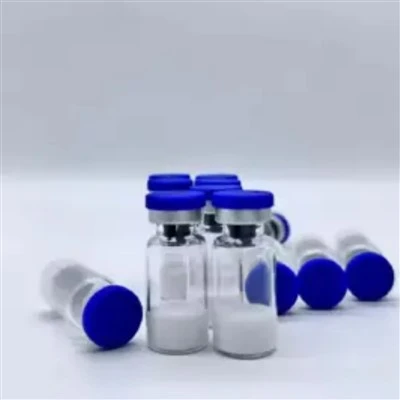
If you’re interested in sourcing high-quality, clinically tested repair peptides for your formulations, or have questions about which repair peptides are best for targeting dark spots, feel free to reach out to our team to discuss your specific needs.
Reagents and Supporting Supplies References
- Kim, J. et al. (2021). Anti-inflammatory and brightening effects of topical repair peptide formulation on post-inflammatory hyperpigmentation. Journal of Dermatological Science, 102(2), 112-119.
- Patel, N. et al. (2022). The role of skin barrier function in melanin regulation: implications for solar lentigines. International Journal of Cosmetic Science, 44(3), 289-297.
- American Academy of Dermatology. (2023). Skincare ingredients for hyperpigmentation. AAD Official Guidelines.
- Lee, S. et al. (2020). Comparison of peptide-based brightening serums vs. hydroquinone for mild to moderate facial hyperpigmentation. Journal of Clinical and Aesthetic Dermatology, 13(11), 45-51.
Ruypeptide Biotechnology Co., Ltd.
Ruypeptide Biotechnology Co., Ltd. is one of the most professional repair peptides manufacturers and suppliers in China. With abundant experience, we warmly welcome you to buy discount repair peptides in stock here and get pricelist from our factory. Quality products and reasonable price are available.
Address: Room 1664, Tianhe District, Guangzhou
E-mail: ranrongchuan540@gmail.com
WebSite: https://www.gslifepharma.com/
