If you’re reading this, chances are you’re tired of the constraints of full-time work—fixed hours, rigid projects, and the slow pace of corporate red tape—and you’re curious about freelancing in a niche that’s growing faster than most: OOG operations. I’ve been an OOG operations supplier for seven years, and I’ve seen dozens of freelancers stumble when they try to break into this space. They think it’s just “offshore work for oil rigs” or “random jobs for remote teams”—but it’s a specialized field that blends logistics, risk management, and operational agility, and it’s one of the most rewarding freelance roles you can take on. Today, I’m breaking down exactly how to work as a freelancer with OOG operations, from the hard skills you need to the mistakes that will sink your first contract. Oog Operations
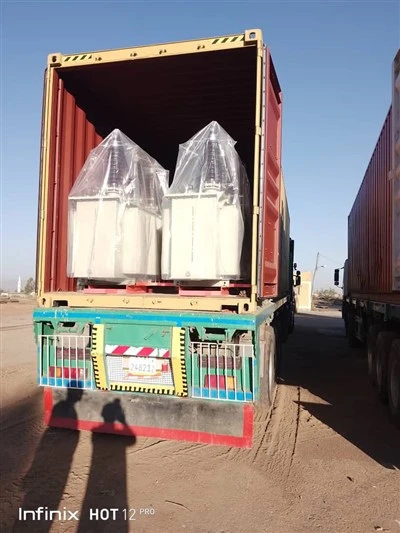
First, let’s clear up a common misconception: OOG doesn’t stand for “out of office” (though that’s a fun side effect for freelancers). It’s short for “out of gauge,” and it refers to cargo that exceeds standard dimensions for road, rail, or sea transport. Think of a 120-foot wind turbine blade, a 50-ton industrial generator, or a module for a remote mining camp. OOG operations are the backbone of industries like energy, infrastructure, and mining—they’re the pieces that build hospitals, power grids, and factories, and they can’t be delayed without costing tens of thousands of dollars a day. As a freelancer working with OOG operations, you’re not just a “gig worker”; you’re a logistics specialist, a risk manager, and a problem-solver for clients who can’t afford to mess up.
So, where do you start? The first step is to build the foundational skills that clients will pay for, because OOG operations aren’t something you can learn from a YouTube tutorial in a weekend. Let’s start with core technical knowledge. You need to understand dimensional weight, load planning, and the regulations that govern OOG cargo in every region you’re willing to work in. For example, in the U.S., moving OOG over public roads requires permits from each state you cross, and many states have different height, width, and weight limits. In the EU, you need to comply with the European Agreement concerning the International Carriage of Dangerous Goods by Road (ADR), even if your cargo isn’t dangerous—OOG rules here are separate, but equally strict. I’ve seen new freelancers bid on a cross-country OOG move for a wind turbine blade, only to realize they didn’t account for a narrow bridge in Ohio that would require a state-specific permit and a police escort, delaying the job by three days and costing the client $15,000 in penalties. That’s the kind of mistake that gets you blacklisted from repeat work.
Next, you need hands-on experience with the tools that power OOG operations. Clients don’t want someone who can only write a basic Excel spreadsheet; they need someone who can use software like LoadMaster, which calculates safe load distributions and ensures your cargo doesn’t shift during transit, or TransCAD, which maps routes and flags areas where OOG cargo is prohibited. I recommend taking a short, accredited course in OOG logistics—many industry associations, like the International Association of Drilling Contractors (IADC), offer flexible online courses for freelancers. Even a 4-week course on OOG permit procurement and route planning will give you credibility that you can’t buy on Upwork or Fiverr, where a lot of unqualified freelancers set up shop.
Once you have the skills, the next challenge is finding clients. Unlike graphic design or writing, OOG freelancing isn’t something you can market to a broad audience—your clients are specialized: large construction firms, energy companies, mining operators, and third-party logistics (3PL) providers that handle OOG cargo. The best way to find them isn’t on freelance platforms; it’s by building relationships in the industry. I’d suggest joining LinkedIn groups like “OOG Logistics Network” or “Heavy Transport Professionals,” where you can engage with project managers and procurement officers who are constantly looking for freelance support. I also attend the annual OOG Heavy Transport Summit, a 3-day conference where suppliers, clients, and freelancers meet to discuss upcoming projects. A few years ago, I met a freelance OOG consultant at that conference who now works with three of my largest clients—he didn’t have a big portfolio when we first spoke, but he brought a unique angle: he specializes in OOG moves for renewable energy projects, which is a fast-growing niche that many suppliers overlook.
Another way to land contracts is to partner with established OOG operations suppliers like me. We’re always looking for freelance specialists to handle specific tasks—whether that’s permit procurement for a cross-border move, route planning for a remote project, or risk assessment for a fragile cargo. We value freelancers because they’re flexible: when a big project comes in, we don’t have to hire a full-time employee, and when work slows down, we can scale back without the overhead. I’ve worked with freelancers who’ve been with me for three to five years, and they’re some of my most reliable partners. The key here is to be clear about your expertise: if you’re great at negotiating OOG permits in Southeast Asia, don’t offer to handle route planning in Canada if you’ve never done it. Clients hate vague offers—they want to know exactly what you can deliver, and how you’ll deliver it on time and on budget.
Now, let’s talk about the work itself, because freelancing in OOG operations isn’t all sitting at a desk. A big part of the job is on-site coordination. I had a freelance associate last year who worked on a project to move a 40-ton medical MRI machine to a rural hospital in Wyoming. His job wasn’t just to plan the route; he had to meet the delivery crew at the loading yard, ensure the cargo was secured correctly, coordinate with state police for escort vehicles, and even communicate with the hospital’s facilities team to make sure the receiving bay was accessible for the truck. On another job, I had a freelancer who specialized in risk assessment; when an OOG cargo ship had to divert to a minor port in the Caribbean, he had to work with local authorities to get temporary permits, arrange storage for the cargo, and update the client on the delay every six hours. That’s the kind of attention to detail that keeps clients coming back.
One of the biggest differences between freelancing in OOG and other freelance fields is risk management. When you’re handling a $2 million OOG cargo, a single mistake can cost the client millions. That means you need to have your own insurance—professional liability insurance, also called errors and omissions (E&O) insurance, which covers you if a permit is wrong, a route is miscalculated, or a cargo is damaged because of your error. I’ve seen freelancers skip this step, and it’s a disaster waiting to happen. A few years ago, a new freelancer I was working on a project with missed a state permit, and the cargo was seized at the border. The client sued, and since the freelancer didn’t have insurance, I had to cover a third of the cost to keep the client as a partner. Don’t make that mistake: E&O insurance for OOG freelancers typically costs $500 to $1,000 a year, and it’s well worth the investment.
Another key tip: be transparent about your process. OOG clients hate surprises. If you’re working on a route plan, share it with the client in advance, and flag any potential issues—like a low overpass that would require removing part of the truck’s roof, or a permit that will take 10 extra days to process. I once worked with a freelancer who waited until the day before the move to tell a client that the route they’d chosen required closing a major highway, which would disrupt the client’s supply chain. The client was furious, and they didn’t work with any freelancers for six months. If you bring problems to the table, bring solutions too—instead of just saying “that bridge is too low,” say “we can reroute to this road, which has a higher clearance, but it will add 8 hours to the transit time.” That’s the kind of proactivity that turns a one-time contract into a long-term relationship.
Now, let’s talk about scaling as a freelancer. Once you’ve got a few clients and a track record of on-time, on-budget projects, you can start taking on larger contracts, or even bringing in other freelancers to work with you. For example, if you specialize in OOG moves for mining projects, you could partner with a freelance permit specialist who works in Africa, so you can offer your clients end-to-end support for projects on that continent. But remember, as a freelancer, your brand is everything. Every project you complete builds your reputation, and a single bad review can derail your career. I’ve had freelancers come to me asking for help because they got a bad review from a client who had a delayed delivery, and it’s almost impossible to overcome that.
If you’re still on the fence about whether this is the right path for you, consider this: the OOG operations market is growing. The global OOG transport market is projected to reach $125 billion by 2027, according to industry reports, and a lot of that growth is coming from renewable energy projects—wind turbines, solar panel arrays, and battery storage systems all require OOG cargo. That means there’s a constant demand for skilled freelancers who can handle these specialized moves. Unlike saturated freelance fields like writing or design, there’s less competition in OOG operations, so you can stand out if you have the right skills and work ethic.
Now, let’s get to the most important part: how to get started working with an OOG operations supplier like me. The first step is to outline your experience and expertise. Don’t send a generic message—tell me what niche you specialize in, what projects you’ve worked on, and what value you can bring to OOG operations. For example, if you’ve handled 10+ OOG moves in the construction industry, or you’re certified in ADR compliance, highlight that. Be specific about the tasks you want to take on: are you looking to handle route planning, permit procurement, risk assessment, or on-site coordination? The more clear you are, the easier it is for us to see how we can work together.
If you’re new to the industry, don’t worry—we’re willing to train the right person, as long as you’re willing to put in the work. I’ve hired freelancers with 2 years of experience who are eager to learn, and they’ve become some of my most valuable partners. The key is to show that you’re reliable, detail-oriented, and passionate about OOG operations. We don’t need people who just want a quick gig; we need people who want to build long-term relationships and grow with the industry.
So, if you’re ready to leave the rigidity of full-time work behind, and you’re drawn to a field that’s challenging, rewarding, and in high demand, freelancing in OOG operations is a great option. It’s not easy, but the freedom, the variety of projects, and the opportunity to work with global clients make it one of the best freelance roles out there. If you’re ready to start a conversation about how we can work together, reach out to discuss a contract that fits your skills and goals.
Special Container Shipping References
- International Association of Drilling Contractors. (2022). OOG Logistics Standards and Certification Program.
- Global Heavy Transport Association. (2023). Global OOG Market Growth Report.
- European Agreement concerning the International Carriage of Dangerous Goods by Road (ADR). (2021). OOG Cargo Compliance Guidelines.
- LoadMaster Software. (2022). OOG Load Planning Best Practices Guide.
Speed Supply Chain (Guangzhou) Co., Limited
Speed Supply Chain (Guangzhou) Co., Limited is a licensed NVOCC and first-level freight forwarder in China. With a professional team, we deliver reliable, efficient and cost-effective oog operations service for global customers. If you have any enquiry about quotation, please feel free to email us.
Address: Room 2001-2002, Dongzhao Building, No. 515 Dongfeng Middle Road, Yuexiu District, Guangzhou, Guangdong, China
E-mail: mika.li@speedsucc.com
WebSite: https://www.speedsupplychain.com/
