If you’ve ever experienced a sudden power outage—say, a winter storm knocks out electricity for 12 hours, or a summer heatwave drives your air conditioner to shut down unexpectedly—you know how disruptive it can be. For homeowners who’ve invested in home battery storage systems, there’s a common question that comes up: can these setups work alongside a traditional backup generator, or are they competitors that can’t share space? As a home battery storage supplier who’s walked through dozens of home energy makeovers, I’m here to break down not just the “yes” answer, but how to do it right—because when you combine the two, you get a more reliable, efficient, and cost-effective backup system than either can offer alone. Home Battery Storage
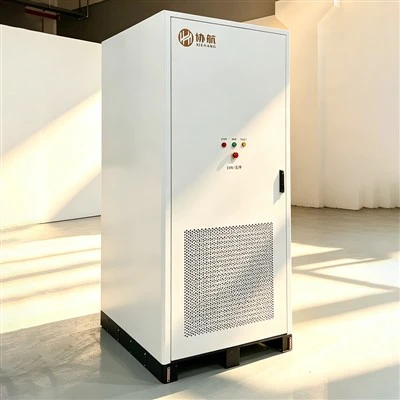
First, let’s set the scene with what each system does on its own. Home battery storage systems (think lithium-ion units, the kind we supply) store energy generated by rooftop solar panels or pulled from the grid during low-demand, low-cost hours. When the power goes out, they discharge that stored electricity instantly to run essentials: your fridge, lights, Wi-Fi, and maybe your HVAC system for a few hours. The catch? A single home battery, even a 10kWh model, can’t run high-power appliances like a central air conditioner, electric water heater, or a whole-house space heater for more than a few hours without running out of charge. That’s where backup generators come in: they run on natural gas, propane, or diesel, and can power your entire home (or a big portion of it) for as long as they have fuel—sometimes days, even during extended outages.
For years, these two systems operated in silos. Homeowners would choose one or the other: batteries for short, everyday outages; generators for long, high-power events. But over the last five years, the technology to integrate them has gotten way more accessible, and that’s a game-changer. Let’s talk about why integration makes sense for most households, and the common myths that still hold people back.
One of the biggest myths is that batteries and generators will clash with each other, causing electrical issues. A while back, a customer of mine in Michigan—let’s call him Tom, to keep it real—installed a 15kWh home battery and a 20kW natural gas generator two years ago, but they didn’t work together. The first time the power went out, the generator kicked on, but the battery couldn’t sync with it, so Tom ended up with only half his home powered. We walked through his setup and found the problem: his generator was a older model that didn’t have a “parallel interconnection” feature, which lets it communicate with inverters (the heart of home battery systems) to coordinate power flow. Upgrading his generator to a modern model with that feature, then adjusting the battery’s settings through our in-home technical support, fixed it. Now, when the grid goes down, the battery handles the small, constant loads (his Wi-Fi, fridge, sump pump) while the generator powers the bigger appliances—meaning the generator uses less fuel, and the battery doesn’t drain as quickly. That’s not just convenient; it cuts his generator’s runtime by 40% during outages, because it’s only powering the high-demand items, not the small stuff.
Another common myth is that integration is too expensive, and that buying one system is cheaper. But when you look at the long-term costs, pairing them saves money. Our customers often tell us that they were ready to spend $12,000 on a whole-home generator alone, but when they add a mid-sized home battery (our most popular 10kWh model, with installation, that runs around $8,000), the total cost is actually less than a whole-home generator for many households—because you’re getting both short-term battery backup and long-term generator backup. Plus, the battery can generate savings during normal, grid-tied use: it stores excess solar energy during the day so you don’t buy power from the grid at peak evening rates, which offsets the initial cost over 5 to 7 years.
Now, let’s get into how integration actually works, because it’s not just “plugging two things together.” There are three main ways to combine home battery storage and backup generators, and the right one for you depends on your home’s energy needs and your current setup.
First, the most popular method we install is a grid-tied with battery backup, paired with a generator. In this setup, your home battery is connected to your solar panels and the grid when it’s working. When the grid fails, the battery acts as the primary backup for small loads, and the generator acts as a secondary backup for high-power loads. The key here is the inverter: our inverters are designed to communicate with both grid power and generators, so the two don’t fight. For example, if you have a 2000W space heater, the inverter will tell the generator to kick on just for that heater, while the battery runs the rest of your essentials. This is ideal for homeowners who use solar, because it maximizes your solar energy—you’ll use as much solar power as possible, then the battery, then the generator—so you’re never wasting energy or overusing fuel.
Second, there’s the “hybrid” system, which is a bit more hands-on but works well for homes that don’t have solar yet. A hybrid inverter lets you connect both your battery and generator to the same system, so you don’t need separate connections for each. This setup is great for people who want to add solar later, because the hybrid inverter is compatible with solar panels too. We recently installed this for a customer in Arizona, where summer outages are common. She had an older generator and was thinking about replacing it, but instead, we added our 12kWh home battery and a hybrid inverter. Now, when the power goes out, the battery runs her AC for 2 hours, then the generator kicks in to keep the AC running—cutting her fuel use by half, and keeping her cool through the 6-hour summer outages we get here.
Third, there’s the manual integration, which works for homeowners who have a smaller generator and a smaller home battery. This is simpler, but it takes a bit more setup during an outage: you switch the battery to backup mode, then start the generator and use a transfer switch to power the high-load appliances through the generator, while the battery runs the rest. It’s not as seamless as the automatic setups, but it’s a good option for people who don’t want to spend extra on a parallel interconnection feature for their generator. We usually recommend this only for homes that have 1,500 square feet or less, with basic needs—no electric ovens or hot tubs, for example.
Now, let’s talk about when integration isn’t the right choice, because it’s not for everyone. If you live in an area with almost no power outages, you might not need both systems—just a home battery for solar savings, or a generator for rare outages. If your home has very high power demands (like a heated pool, electric car charger, and multiple central AC units), you might be better off with a larger generator than pairing, because batteries struggle to keep up with extreme high loads for long periods. And if your current generator is older than 10 years, it might not be compatible with modern home batteries, so replacing it would cost more than integrating. That’s where our team comes in: we do a free home energy assessment to figure out what’s right for you, so you don’t end up paying for a system that doesn’t fit.
One of the biggest mistakes we see customers make is installing their battery and generator without thinking about load management. A few months ago, a customer in Texas installed our 8kWh home battery and a 15kW generator, but when the grid went out, he tried to power his whole home at once—drawing 18kW, which was more than both systems could handle. The battery shut down, and the generator overloaded. We had to come back, work with an electrician to adjust his transfer switch to limit the load on the generator, and adjust the battery settings to prioritize essential loads (fridge, sump pump, lights) over non-essential (garage door opener, kitchen sink disposal). That fix was simple, but it taught us that load management is key to making integration work. It’s why we include a load planning service with every home battery installation—we map out your essential and non-essential loads, so you don’t end up with a system that can’t do what you need it to.
Another benefit of integration that people don’t talk about much is battery longevity. When you only use a generator for high-power loads, the battery doesn’t have to discharge deeply as often. Deep discharges (using 80% or more of your battery’s capacity) can shorten a battery’s lifespan, which is something all our customers care about—our batteries are designed to last 10 to 15 years, and integrating with a generator helps us hit that mark. For example, a customer in Ohio who only uses his battery for small loads during outages has discharged it less than 20% of its capacity over the last 3 years, while a neighbor who only has a generator has had to replace his generator twice in that time. That’s a big difference in long-term cost and hassle.
Let’s wrap this up with a real takeaway: home battery storage systems and backup generators aren’t competitors—they’re complementary. For most homeowners, pairing a reliable home battery (the kind we supply, with 24/7 technical support) with a modern, compatible backup generator gives you the best of both worlds: instant, low-cost backup for short outages, and long-lasting, fuel-powered backup for extended events. It’s not a one-size-fits-all solution, but with the right planning (and a team that knows home energy, like ours), it works better than either system alone.
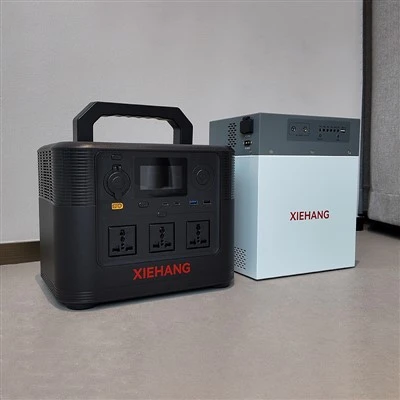
If you’re a homeowner tired of worrying about power outages, or you’re already thinking about adding a home battery and want to know how to pair it with a generator, we’d love to talk. We don’t do pushy sales—we do free assessments, walk through your home’s energy needs, and help you pick the setup that fits your budget and lifestyle. Whether you’re in the middle of a storm-prone area like Michigan or Texas, or you just want to save money on your electric bill, we can help you build a backup system that works. Contact us to discuss your needs and get a personalized quote.
Home Energy Storage References
- U.S. Department of Energy. (2022). “Home Energy Storage and Backup Generator Integration: Best Practices for Residential Installations.” Office of Energy Efficiency & Renewable Energy.
- International Association of Electrical Inspectors. (2023). “Residential Parallel Interconnection for Battery Storage and Backup Generators.” National Installation Standards Committee.
- Lithium-Ion Battery Association. (2022). “Battery Discharge Depth and System Longevity: Residential Application Data.” Annual Industry Performance Report.
- Solar Energy Industries Association. (2023). “Hybrid Solar-Battery Systems: Cost and Savings Analysis for U.S. Households.” Residential Market Research Report.
- North American Electric Reliability Corporation. (2022). “Residential Backup Systems and Grid Resilience During Extreme Weather Events.” Critical Infrastructure Report.
Zhejiang Xiehang New Energy Equipment Co., Ltd.
As one of the most professional home battery storage manufacturers and suppliers in China, our products have good reputation in the market. Please erst assured to wholesale custom made home battery storage from our factory. If you have any enquiry about cooperation, please feel free to email us.
Address: No.5 Hechen Road, Zhouwangmiao Town, Haining, Jiaxing City, Zhejiang Province, China
E-mail: dan.wu@xiehang.net
WebSite: https://www.shineonpower.com/
