If you’ve ever stood on a construction site, a petrochemical plant floor, or a municipal water treatment facility, watching workers operate a pipe system to control the flow of liquids or gases, chances are a gate valve was part of that setup. As someone who’s spent the last decade selling gate valves to facilities across North America, I’ve noticed that most operators and even new maintenance technicians gloss over one critical part of the valve: the valve disc sealing surface. I’ve lost count of how many times I’ve gotten a call from a plant manager saying their valve isn’t fully shut off, only to find a worn or misaligned disc sealing surface is to blame. Today, I want to break down exactly what this component is, why it matters, and how it keeps your system running smoothly—no engineering degree required. Gate Valves

First, let’s ground this in the basics of how a gate valve works, because you can’t understand the sealing surface without knowing its role in the valve’s function. Gate valves are linear motion valves; when you turn the handwheel, a threaded stem rises or lowers, pulling a gate (that’s the flat, disc-like or wedge-shaped component I’m talking about) up or down to open or close the pipe path. When the valve is fully open, the disc lifts completely out of the flow path, so there’s almost no pressure drop or friction as fluid moves through the pipe. When you close it, the disc presses firmly into two seat rings that are machined into the valve body. That’s where the sealing surface comes in: it’s the precision-machined face on the disc that makes direct, contact-driven seal with those body seat rings to stop all flow. It’s not a rubber gasket that compresses into place—gate valves rely on metal-to-metal (or sometimes metal-to-soft material) contact to create a bubble-tight shutoff, which is why the sealing surface’s quality is non-negotiable.
Let’s get specific about the sealing surface itself. It’s not a random ground spot on the disc. For most standard gate valves, the disc is a single piece of cast or forged metal, and the sealing surface is a machined, beveled ring that runs along the edge of the disc. The bevel angle is intentional—usually between 15 and 45 degrees, depending on the valve size, pressure rating, and application. The seat rings in the valve body are machined to match that exact angle, so when the disc is lowered fully, the two surfaces align perfectly, no gaps, no overlaps, just a continuous, tight seal. That angle isn’t arbitrary: too steep, and the disc will catch on the seat rings as it closes, causing wear over time. Too shallow, and the contact area is too small, leading to uneven pressure and leaks when the system is under load.
Now, here’s the part that trips up even experienced operators: the difference between gate valves and other common valves. A lot of people mix up gate valves with ball valves or globe valves, and that confusion makes them misjudge what the sealing surface is supposed to do. Ball valves rely on a soft O-ring or a polished metal sphere’s edge to seal, and globe valves use a flat disc that presses perpendicular to the seat. Gate valves? Their sealing surfaces are wedge-shaped in most cases—wait, no, let’s clarify: there are two main types of gate valve discs, and each has a different sealing surface configuration. Solid wedge discs are a single, tapered wedge, so their sealing surface is a continuous tapered face that matches the seat’s taper. Split wedge discs are two separate pieces that hinge slightly when you close the valve, so their sealing surfaces self-align with the body seats, which makes them ideal for applications where the pipe might shift or warp slightly over time, like in long process pipelines. Parallel slide gate valves have flat, parallel disc faces, so their sealing surfaces are flat, designed to press against parallel seat rings in the body, common for low-pressure water or wastewater applications. That variation isn’t just for show—each sealing surface is engineered to match the valve’s intended use, so picking the wrong disc type for your application will lead to premature seal failure.
So, why does this little ring-shaped (or tapered, or flat) surface matter more than you’d think? Let’s talk about what happens when the sealing surface works, versus when it doesn’t. When it’s in good shape, that contact creates a barrier that stops 100% of flow, no seepage, no leakage past the closed valve. That’s critical for applications where even a tiny leak can cause huge problems. For example, in a petrochemical facility, a small leak of raw gas past a closed gate valve can lead to pressure buildup, corrosion, or even safety hazards during maintenance. In a municipal water system, a leak past a closed gate valve during a pipe replacement can waste thousands of gallons of water and delay the entire project. I once worked with a food and beverage plant that had a gate valve with a worn sealing surface on a line carrying syrup; the tiny seepage led to product contamination, a $50,000 batch loss, and a week of downtime. That’s the kind of cost that comes from ignoring a component most people don’t even know exists.
But the sealing surface doesn’t just stop leaks—it also extends the life of your gate valve and the entire system. A well-machined, high-quality sealing surface distributes the closing force evenly across the entire contact area, so you don’t get localized wear or gouging. If the sealing surface is uneven, or if it has tiny scratches or pits from manufacturing, the closing force concentrates on those small spots, leading to wear in just a few years instead of decades. For example, a valve I sold to a wastewater treatment plant in 2018 had a standard carbon steel disc with a hard-chrome plated sealing surface; six years later, they still hadn’t needed to replace the disc, because the plating was smooth and even, distributing force correctly. Another valve I sold the same year to a mining operation used a basic machined carbon steel disc without plating, and by 2020, the sealing surface had corroded from the acidic mine water, leading to leaks. That’s a direct example of how the sealing surface’s material and finish impact performance.
Speaking of materials, that’s another key part of the sealing surface I haven’t covered yet. The base material of the disc is usually carbon steel, stainless steel, or alloy steel, but the sealing surface itself is often coated or surfaced with a harder, more durable material to resist wear and corrosion. Let’s run through the most common options, because choosing the right material for your sealing surface is half the battle:
Hard chrome plating: This is the most common for general-purpose gate valves. It’s affordable, resistant to most mild corrosion, and has a smooth, hard surface that creates a tight seal. It works well for water, oil, and natural gas applications, which is why most standard gate valves use this.
Stellite or cobalt alloy: For high-pressure, high-temperature, or highly corrosive applications—like power plant steam lines or chemical processing—Stellite is the go-to. It’s a super hard, wear-resistant alloy that can handle temperatures up to 1800°F, and it resists pitting and corrosion even in harsh chemicals. The downside? It’s more expensive, and it’s harder to machine, so it’s reserved for demanding jobs.
Soft materials: Wait, do gate valves ever use soft sealing surfaces? Yes, in low-pressure, non-critical applications. You’ll sometimes find gate valves with disc sealing surfaces lined with PTFE or elastomers, used for applications like drinking water systems where you need to avoid galvanic corrosion between dissimilar metals, or for slurries where the soft surface creates a better seal without scratching the pipe. The tradeoff here is that soft sealing surfaces can’t handle high pressure or high temperature, so they’re only for specific uses.
And then there’s the finish of the sealing surface. It’s not enough to just apply the right material— the surface has to be machined to a precise smoothness, measured in micro-inches. For metal-to-metal seals, the sealing surface is usually ground to between 8 and 16 micro-inches RMS (root mean square) roughness. If it’s too rough, there are tiny gaps between the disc and seat, so even when you tighten the stem, you can’t get a bubble-tight seal. If it’s too smooth, the surface is more prone to galling (when two metal surfaces stick together and tear when you try to move the valve), which can damage both the disc and the seat. I’ve seen a $2,000 gate valve get ruined because the disc sealing surface was polished to a mirror finish, leading to galling the first time it was operated under pressure. That’s why precision machining of the sealing surface is non-negotiable—no shortcuts here.
Now, let’s talk about common issues that affect the sealing surface, because knowing what to look for can save you from costly downtime. The most frequent problems I see are:
Wear: This happens over time, usually from repeated opening and closing, or from debris in the fluid that scratches the sealing surface. Sand, silt, or small metal particles in the pipe can act like sandpaper, wearing down the smooth surface until there’s a gap. That’s why installing strainers upstream of gate valves is so important—it catches debris before it can damage the sealing surface.
Corrosion: Especially in applications with acidic or salty fluids. Corrosion creates pits or rough spots on the sealing surface, breaking the continuous seal. For example, a valve for a marine application needs a sealing surface with extra corrosion resistance, because saltwater will eat through standard hard chrome plating over time.
Misalignment: Sometimes, over years of use, the stem or body of the valve can shift, so when you lower the disc, it doesn’t align perfectly with the seat rings. That means the sealing surface only makes contact in spots, leading to leaks. This is common in large gate valves used in long pipelines, where the pipe itself can shift slightly due to temperature changes or ground settling.
Galling: As I mentioned earlier, galling happens when two metal surfaces stick together due to friction, usually because the sealing surface is too smooth or made of incompatible materials. It can damage both the disc and the seat, making the valve unusable until both parts are replaced.
So, what does this mean for you, as someone managing pipe systems? When you’re ordering gate valves, don’t just look at the size and pressure rating—ask about the disc sealing surface. What’s the material? What’s the finish? Is it matched to the application? If you have an existing gate valve that’s leaking, before you replace the whole valve, have a technician inspect the sealing surface. In many cases, you can just resurface the disc and the seat rings, which is way cheaper than buying a new valve. I’ve done this for a municipal water district that had 20-year-old gate valves; instead of replacing them all, we sent the discs to be re-ground and re-plated, saving them over $100,000.
If you’re a maintenance manager, here’s a quick tip for inspecting the sealing surface: when the valve is closed, you can do a bubble test—pressurized air on one side of the valve, soapy water on the other. Any bubbles mean a leak past the sealing surface. If you see bubbles, don’t immediately panic—check for debris first; sometimes a small piece of sand is caught between the disc and seat, just lift the disc slightly and let it flow through, and the seal will be good again. If the bubbles keep coming after cleaning, then it’s time to inspect the sealing surface for wear, corrosion, or misalignment.
At the end of the day, the valve disc sealing surface is one of those unsung components that keeps gate valves doing their job: reliable shutoff for your system. It’s not as flashy as a motorized actuator or a high-tech pressure gauge, but without it, gate valves can’t do the one thing they’re designed for—fully stop flow when you need them to. I’ve seen first-hand how a worn or poorly designed sealing surface can lead to downtime, product loss, and safety risks, and I’ve also seen how a properly engineered, well-maintained sealing surface can make a gate valve last 50 years or more.
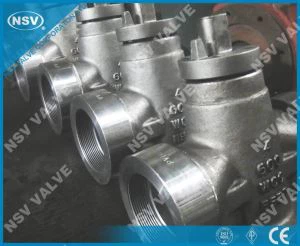
If you’re dealing with leaky gate valves, planning a pipeline upgrade, or just want to make sure your current valves are up to the job, feel free to reach out to discuss your specific application. We can help you select the right disc material, sealing surface finish, and valve type to meet your needs, and even offer resurfacing services for existing components to extend their life. Don’t let a tiny, often-overlooked part derail your operations—let’s make sure your gate valves are sealing tight.
Diaphragm Valves References:
- Miller, J. (2021). Control Valves and Actuators: A Practical Guide to Selection, Operation, and Maintenance. Industrial Press.
- American National Standards Institute (ANSI). (2019). ANSI B16.34: Valves – Flanged, Threaded, and Welded End.
- Karassik, I. J., et al. (2007). Pump Handbook (4th ed.). McGraw-Hill Education.
- Valtek International. (2018). Gate Valve Design and Application Best Practices. Process Industry Practices Journal.
- Federal Energy Regulatory Commission (FERC). (2020). Pipeline Valve Maintenance and Safety Guidelines for Gate Valves. U.S. Department of Energy.
NSV Valve Corporation
NSV Valve Corporation is one of the most professional gate valves manufacturers and suppliers in China, featured by quality products and good service. Please rest assured to buy gate valves made in China here from our factory.
Address: Puyi Road,Sanqiao Industrial Zone, Oubei Street, Yongjia County,Zhejiang,China
E-mail: info@nsvvalve.com
WebSite: https://www.nsvvalves.com/
