Hey there, it’s Jake from the sludge scraper team – thanks for popping in. I’ve been fielding a ton of questions lately from plant operators who’ve bought our center drive sludge scrapers, and one that keeps coming up is “What’s the right way to lubricate this thing without messing it up?” Fair question, honestly. I see so many guys either over-lubing (which just causes gunk buildup and premature wear) or under-lubing (which leads to that dreaded center drive seizure that shuts down a whole clarifier). Today, I’m breaking this down like I would over a coffee at the plant site – no fancy jargon, just real, actionable stuff I’ve picked up from years of fixing these things and talking to operators who’ve been at this longer than I have. Center Drive Sludge Scraper
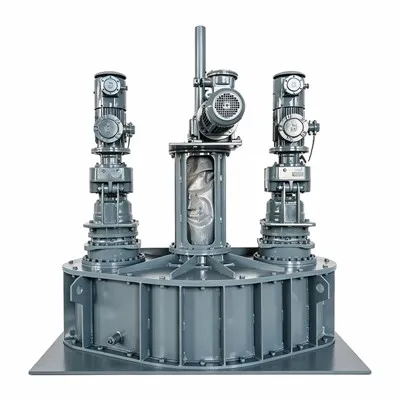
First, let’s get on the same page about what a center drive sludge scraper actually is, in case you’re new to this. It’s that big, circular scraper rig in circular clarifiers – think wastewater treatment plants, industrial sludge thickeners, even some mining slurry ponds. The center drive is the brain of the whole thing: it’s a vertical shaft with a gearbox at the top, connected to drive arms that drag the scraper blades along the bottom of the clarifier to push settled sludge toward the center hopper where it’s pumped out. And since this thing runs 24/7, 365 days a year, dust, moisture, and that thick sludge slop are constantly trying to eat at its moving parts – so lubrication isn’t just a “nice-to-have” here, it’s non-negotiable. Mess up the lube routine, and you’re looking at a shutdown that could cost you thousands in missed treatment or production.
Let’s start with the most important part: knowing what parts need lubrication, because not all of them are the same. I see a lot of operators dumping the same grease on every part, and that’s where things go wrong. The center drive has three main lube points, and each needs a specific type of lubricant, applied at the right interval.
First up is the main gearbox – that’s the big housing at the top of the vertical shaft that turns the whole rig. This is the heart, so don’t cut corners here. Most of our gearboxes come pre-filled with a premium extreme-pressure (EP) gear oil when we ship them, but you can’t just leave that in forever. The rule of thumb here is: if your clarifier runs 24/7, you need to change the gear oil every 12 to 18 months. If it’s a smaller plant that only runs part-time, stretch it to 24 months max. Pro tip: check the oil level every month with the sight glass on the side of the gearbox. If it’s below the minimum line, don’t just top it off – find out why it’s low. Leaks in the gearbox seal are way more common than you think, and adding oil to a leaking box just masks the problem until it’s too late. Also, use the right oil! We recommend ISO 220 EP gear oil for most standard applications – too thin, and it’ll break down under the load of turning those long drive arms; too thick, and the gearbox will overheat in hot weather.
Next, the upper and lower slewing bearings. That’s the big circular bearing right under the gearbox that lets the whole scraper turn around the center shaft. This thing takes a beating from the weight of the drive arms, the sludge, and even wind if the clarifier is out in the open. Lubing this wrong is a quick way to get grit in the bearing races, which will score the metal and turn a $500 lube job into a $5,000 bearing replacement. For the slewing bearing, we use a high-temperature, water-resistant lithium complex grease with extreme pressure additives here. Don’t use generic chassis grease – it won’t stand up to the moisture from the clarifier or the heavy loads. How often? If your plant is in a dusty or extra muddy area, lube the slewing bearing every 2 weeks. If it’s a dry, mild climate, every 4 weeks works. And when you do it, don’t just pump a ton of grease in. You want to work it in by turning the scraper by hand (or, if it’s still running, let it turn slowly while you lube) so the grease fills all the small gaps between the rollers and races. Stop when you see a little fresh grease oozing out the gaps – that means the old, dirty grease is being pushed out, and you’re not overdoing it. Over-greasing here is just as bad as under-greasing; it can build up in the seal, trap gunk, and cause the bearing to bind.
Third, the drive shaft support bearings – usually there are one or two of these on the vertical shaft, between the gearbox and the bottom of the clarifier. These are smaller, and they’re exposed to more sludge and moisture than the gearbox. For these, use a waterproof calcium sulfonate complex grease – it’s way better at resisting water washout than lithium grease, which is a game-changer when you’re working around wet sludge. Lube these every month, unless your clarifier is really dirty (like a primary wastewater clarifier with a lot of grit) – then every 2 weeks. Again, don’t over-grease these either; small bearings don’t need that much, and too much grease will cause friction instead of reducing it.
Wait, hold on – what about the scraper blade pivot points? Yeah, those are part of the system too, but they don’t need as frequent lube. We usually recommend a light, penetrating oil every 3 to 6 months, depending on how much sludge is splashing around them. Don’t use heavy grease on pivots – it’ll catch more gunk and make the blades stick. That’s a common mistake I see; operators dump thick grease on the pivots, and next thing you know, the blades won’t fold or adjust, which leads to uneven sludge removal and built-up sludge that causes more wear.
Now, let’s talk about the tools you need. You don’t need a fancy $1,000 lube pump, but you do need the right stuff to avoid contamination. First, a quality grease gun – not the cheap ones from the hardware store that leak air. A hand-operated grease gun with a sharp nozzle works fine, but a lever-style one gives you better control so you don’t pump too much grease. For gear oil, you’ll need a small pump or a squeeze bottle, and a container to catch old oil when you change it – never dump old gear oil down the drain. Most areas have hazardous waste facilities that accept this, or you can check with a local auto shop that will take it for recycling. Also, get some clean rags – nothing will mess up your lube job faster than dirt on the nozzle of your grease gun, which you’ll push right into the bearing. Wipe down all the lube fittings before you hook up the gun, okay? That’s a small step that makes a huge difference.
Let’s walk through a step-by-step routine, like I’d show a new operator on a site visit. First, safety first – this equipment is heavy, so lock out and tag out the power to the center drive before you do any lube work. Don’t skip that; I’ve seen too many guys get injured because they forgot to cut power and the scraper turned on while they were working on a part.
-
Gearbox Check & Oil Change (Every 12 Months):
- First, place your oil catch pan under the drain plug on the bottom of the gearbox. Wipe the plug clean, then remove it and let all the old oil drain out. While it’s draining, wipe off the oil fill plug on the top of the gearbox. Once the old oil is gone, put the drain plug back in (tight, but don’t over-tighten – you’ll strip the threads), then slowly add the new ISO 220 EP gear oil through the fill hole. Check the sight glass as you go – stop when the oil hits the “full” line. Put the fill plug back on. If you noticed the oil was dirty or full of sludge when you drained it, that means you might have a leak in the gearbox seal, so inspect that next.
-
Slewing Bearing Lube (Every 2–4 Weeks):
- Locate the grease fittings on the outer race of the slewing bearing – there are usually 6 to 8 of them, evenly spaced around the ring. Wipe each fitting clean with a rag before you attach your grease gun. Load up your gun with the high-temperature EP grease, and pump a small amount into each fitting. Don’t just pump one till it oozes – do a little on each, then move around the bearing. Once all fittings have a little grease, let the scraper run for a full rotation (if it’s operational) or turn it slowly by hand to work the grease in. Wipe off any excess grease that oozes out – that’s the old dirty stuff you pushed out, and leaving it there will just attract more gunk.
-
Shaft Support Bearings Lube (Every 2–4 Weeks):
- These are usually on the upper and lower sections of the vertical shaft, not far from the center. Again, wipe the fittings clean, attach your grease gun, and pump a small amount of waterproof grease into each. Stop when you see a tiny bit come out of the vent on the bearing (if it has one) – that’s how you know you’ve got enough. Over-pumping here will cause the bearing to get too hot and wear out fast.
-
Pivot Point Lube (Every 3–6 Months):
- For the scraper blade pivots, wipe the pins clean, then apply a thin coat of light penetrating oil. Wipe off any excess so it doesn’t sling off onto the clarifier bottom – you don’t want oil mixing with the sludge if it’s being treated.
Now, what are the mistakes to avoid? Let’s go over the big ones that I see all the time. First, over-lubrication. I can’t stress this enough – too much grease is worse than too little. I had a guy at a food processing plant call me last year saying his center drive was seizing, and when I got there, his slewing bearing was so packed with old grease it was like a brick. He’d been pumping grease in every week “just to be safe,” and all the dirt and sludge got trapped in there. Second, using the wrong lubricant. Generic grease from the auto parts store might work for your car’s chassis, but it won’t hold up to 24/7 moisture and heavy loads in a clarifier. Third, not checking for leaks. If your gearbox is losing oil every month, don’t just top it off – fix the seal. A $50 seal is way cheaper than a $5,000 gearbox replacement. Fourth, not keeping lube tools clean. A grease gun with dirt on the nozzle will push that dirt right into your bearings, and you’re basically sandblasting them from the inside out.
Another thing: keep a lube log. It sounds boring, but it’s a lifesaver. Write down the date you did each lube job, how much grease/oil you used, and any notes (like if you noticed a leak, or the scraper was making a weird noise). That way, you can spot patterns – if every time you change the gear oil it’s full of water, you know the seal is bad. Or if the slewing bearing is getting dirty grease every month, you’re lube job is too frequent, or the grease isn’t water-resistant enough.
Wait, what about extreme conditions? If you’re running in a really cold climate, like a plant in Canada, you’ll need a different gear oil – ISO 150 instead of ISO 220, because the thicker oil will get too viscous in freezing temps and the gearbox won’t turn. If you’re in a super hot desert climate, you might want a higher-temperature grease for the slewing bearing, something rated for 300°F+ instead of the standard 250°F. We can help you adjust the lube schedule if you send us details about your location and clarifier conditions, by the way – that’s what we’re here for.
And if you’re having trouble and you’re not sure? Don’t guess. Call us, or call a local tech who knows center drive scrapers. A $100 service call to fix a small lube mistake is way cheaper than a shutdown that costs you thousands. We get a lot of emergency calls from operators who tried to lube it themselves and made it worse.
At the end of the day, lubrication for a center drive sludge scraper is just about being consistent, using the right stuff, and not overcomplicating it. It’s the same as changing the oil in your car – if you do it on schedule with the right oil, your car runs for 200k miles. Skip it, and you’re stuck with a breakdown. We build our center drive scrapers to last, but they need a little care to keep running.

If you’re looking to upgrade your current scraper, or you’re in the market for a new one that’s built for easy maintenance, we’re here to help. Our team has been building and servicing center drive sludge scrapers for years, so we know exactly what works for different plants and conditions. Hit us up to chat about your needs, and we can walk you through the best options for your site. No pressure, just real advice from people who work with this gear every day.
Vertical Mixer References:
- Water Environment Federation. (2020). Operation and Maintenance of Wastewater Treatment Plants, 6th ed. WEF Press.
- American Gear Manufacturers Association. (2019). Lubrication of Industrial Gears, AGMA Standard 900-E02.
- Krell, E. (2018). Sludge Scraper Technology and Maintenance for Clarifiers. Water Practice & Technology, 13(2), 412–419.
Shandong Ningye Machinery Equipment Co., Ltd.
Shandong Ningye Machinery Equipment Co., Ltd. is one of the most reliable center drive sludge scraper manufacturers and suppliers in China. With abundant experience, we warmly welcome you to buy discount center drive sludge scraper made in China here from our factory. Quality products and low price are available.
Address: Workshop No. 16, Dongcao Village Industrial Park, Guangda East Road, Songguantun Subdistrict, Economic and Technical Development Zone, Dezhou City, Shandong Province
E-mail: ningyejixie@163.com
WebSite: https://www.cn-ningye.com/
